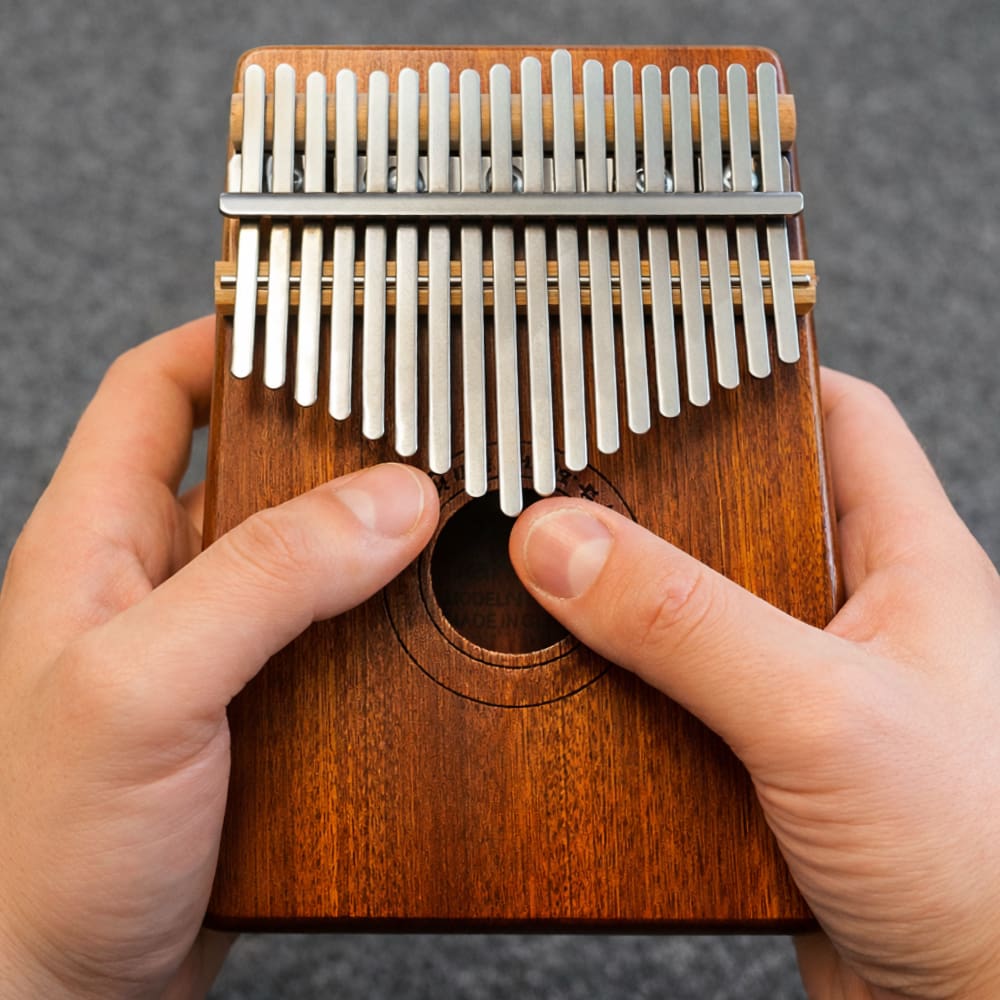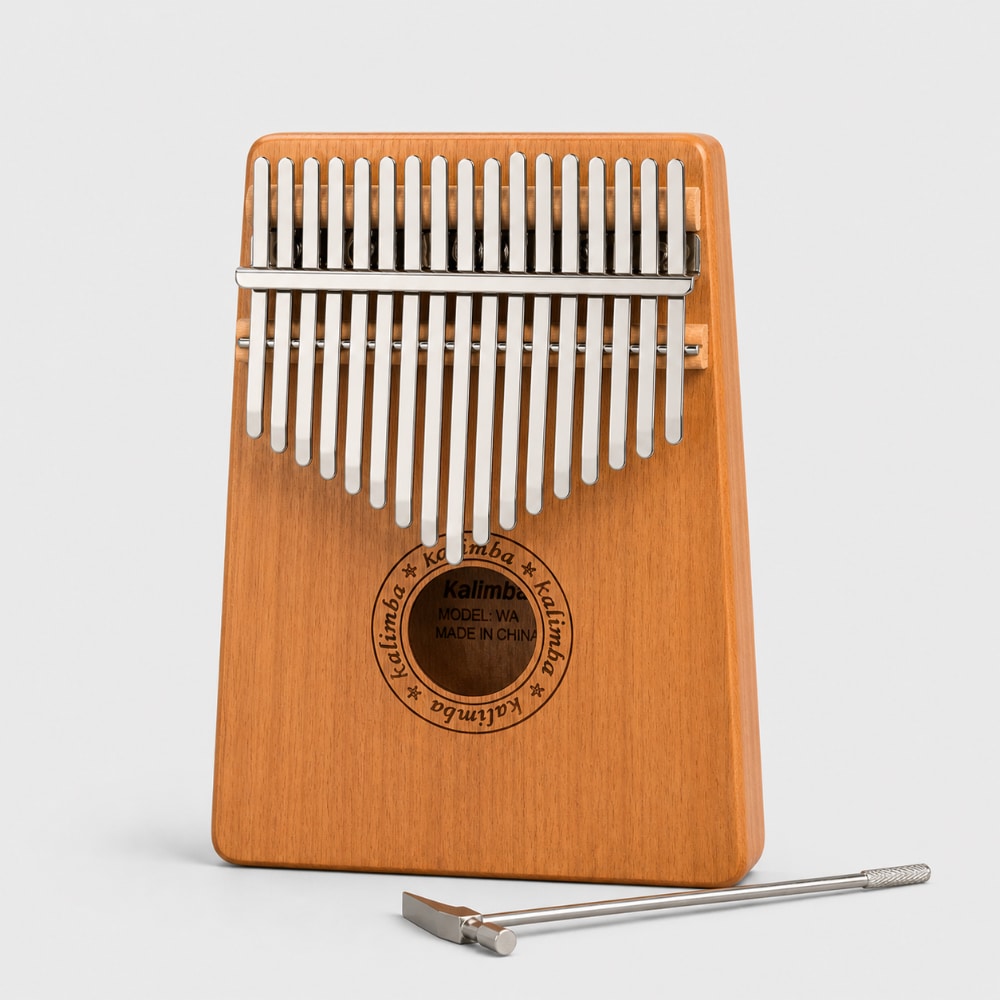
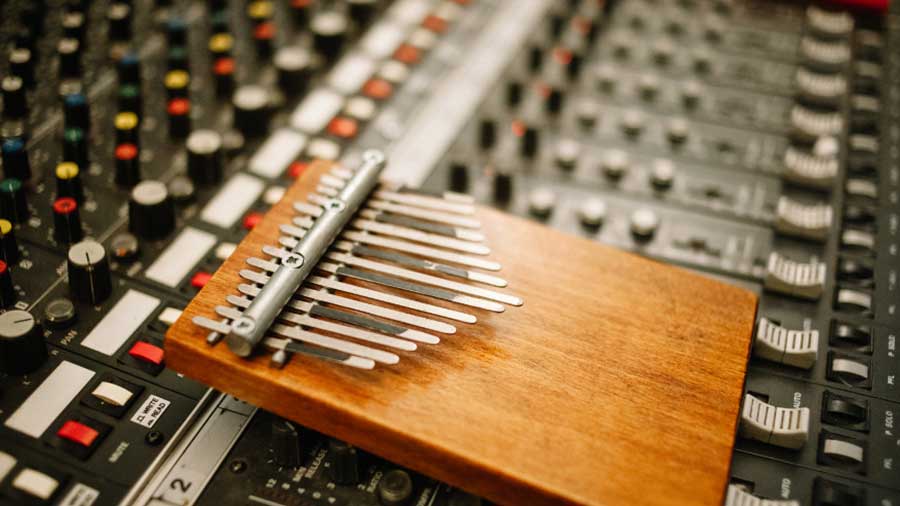
The kalimba is a musical instrument that is made up of metal keys that are attached to a wooden board. It is a traditional instrument used in African cultures for centuries and has recently become popular in the western world. The sound it produces is unique and its accessibility makes it perfect for anyone to learn. In order to get the most out of your kalimba, there are a number of accessories that you can purchase. Here are the top 15 kalimba accessories that are essential for maximizing your playing experience.
1. Kalimba stickers
Kalimba stickers show you where to play each note, making it easier to learn songs without memorising the layout. They improve finger placement and help beginners progress faster while experimenting with different sounds.
2. Kalimba Stand
A kalimba stand is useful for keeping the instrument in an upright position when not playing. It also provides a safe place to store the kalimba when it is not in use. A stand is a great way to keep your kalimba easily accessible and these look amazing in the studio and will further protect your instrument.
3. Kalimba Songbook

The fastest way to improve on the kalimba is by playing real songs. A structured collection of tabs helps you build confidence, improve timing, and make real progress without guesswork.
Download the 17-Note Kalimba Songbook →
4. Tuning Fork
A tuning fork is used to create a reference sound for the kalimba so that players can tune the instrument correctly but using a tuning fork is for professional use.
5. Pickup
A pickup is an external device that is attached to the kalimba and amplifies the sound of the instrument. This is useful for playing with other musicians and for recording. An electric Kalimba would have pickups inside it so that it can be attached to an amplifier but if your kalimba is not electric, you can use this external pickup to produce an electronic signal.
6. The Complete Kalimba Player eBook

A step-by-step kalimba guide that takes you from your first note to real songs without confusion. With clear explanations, diagrams, tuning guidance, and 37 progressive songs, it helps you build real technique while learning at your own pace.
7. Amplifier
An amplifier is used to increase the volume of the kalimba and can be useful for playing in large venues. There is currently no dedicated kalimba amplifiers but as long as you have an electric kalimba with built in pickups, you should be able to connect it to a guitar amp to edit the sound input.
8. Kalimba case
A kalimba case protects your instrument from damage and dust while making it easier to carry. Hard cases offer the most protection, while soft sleeves are lighter and more portable. A good case keeps your kalimba safe at home and when travelling.
9. Tuning Hammer

A tuning hammer is essential for keeping your kalimba in tune. It’s used to adjust the tines so each note plays at the correct pitch by gently tapping them into position. This helps maintain clear sound and keeps your instrument performing properly.
10. Metronome
A metronome is a great tool for any musician, and kalimba players are no exception. With a metronome, you’ll be able to keep time and make sure your songs are in perfect tempo. Just play to the beat.
11. Thumb pick finger protectors
A thumb pick is a great tool for playing intricate melodies without hurting your thumbs. The tines can be harsh on the thumbs which is why these protectors are great for sensitive skin. Choose one with a kalimba design for a unique look.
12. Tuning tool

A tuning tool is similar to the tuning hammer although these typically cost more and are more accurate when tuning. This is an essential tool for any kalimba player that has an expensive instrument and wishes to tune it whilst reducing the risk of damaging it from the hammer.
13. Microfibre cleaning cloth
Th microfibre cleaning cloth is perfect for keeping your kalimba clean and free of dirt and dust. A cleaning cloth will help to keep your kalimba looking and sounding great, it can be used to clean and polish your musical instrument.
14. Brass buzzers
Brass buzzers add a traditional African buzzing tone to your kalimba, creating a distinctive textured sound. They slip onto the tines and are easy to install, usually placed on the lower keys to enhance the overall tone.
15. Chromatic tuner
A chromatic tuner detects each note and shows whether it’s sharp, flat, or in tune, making tuning quick and accurate. Some models also let you adjust the reference pitch for alternative tunings like A=432 Hz.
What Actually Improves Your Kalimba Playing

Accessories can help maintain and enhance your instrument, but they won’t improve your playing on their own. Real progress comes from practice and playing real music consistently. Stop guessing and follow a clear step-by-step path designed for complete beginners. Instead of jumping between random tutorials, you’ll know exactly what to do from your first note. Learn how to hold the kalimba, understand how the notes work, and start playing real songs with short, focused lessons that are easy to follow and build real skill quickly. It’s a structured way to learn that saves you time, removes confusion, and helps you progress.