
Starting the kalimba should feel simple and enjoyable, but many beginners quit early because of avoidable mistakes. Most issues are not about talent or musical ability—they come from choosing the wrong setup or learning without proper guidance. Below are the five most common mistakes beginner kalimba players make, and how to avoid them.
1. Buying the Wrong Kalimba (Too Few Keys)
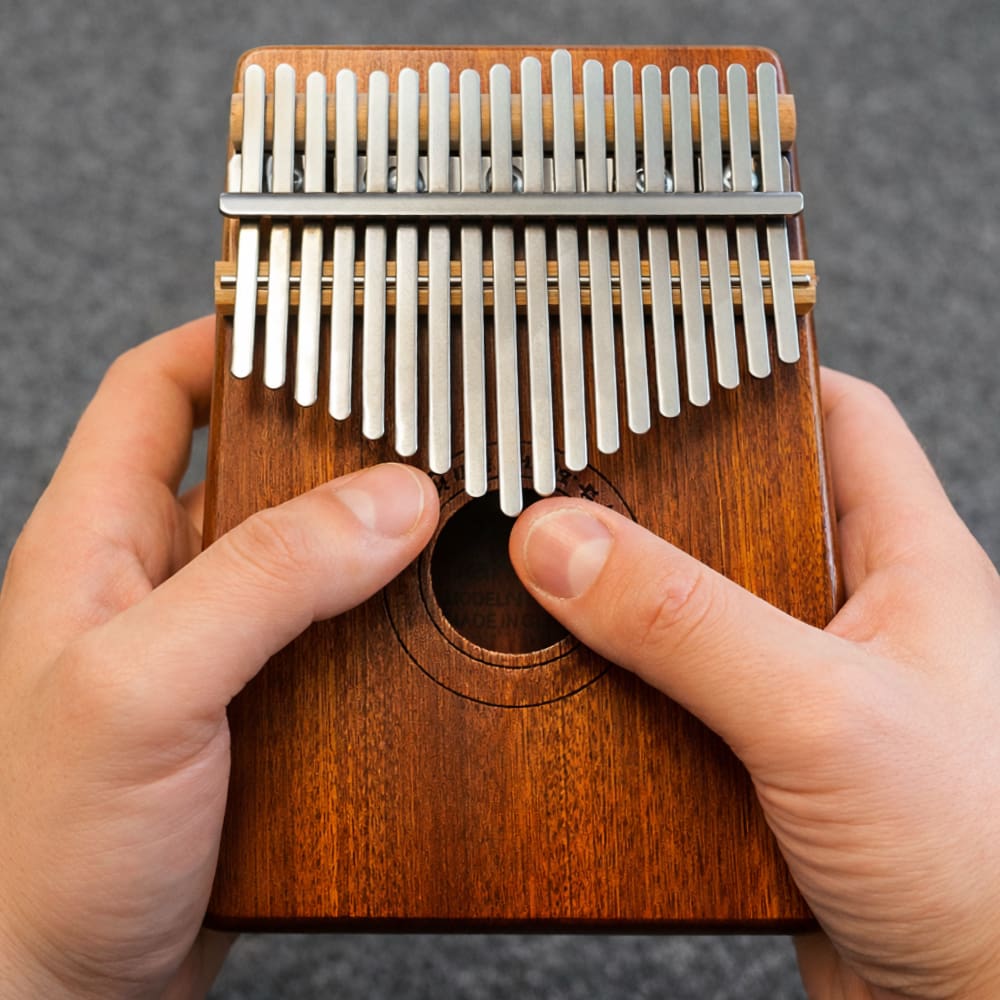
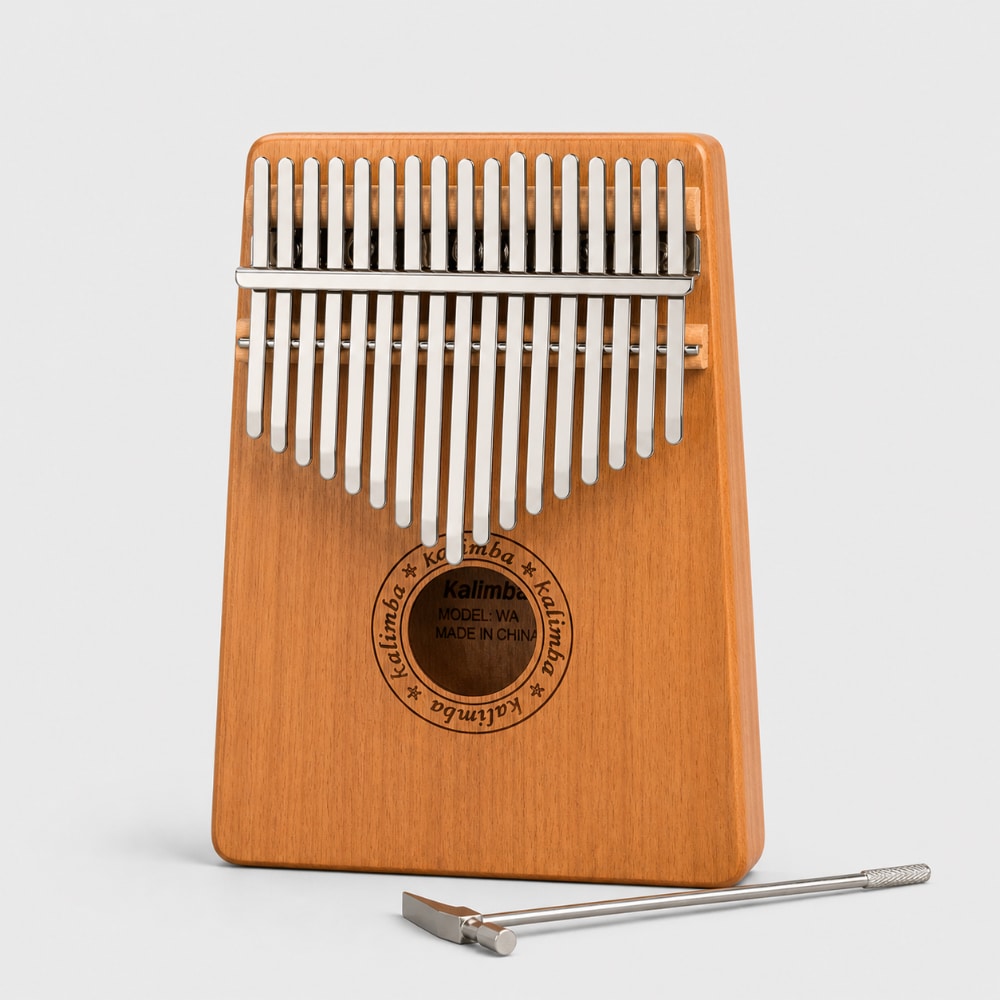
There is nothing wrong with kalimbas that have fewer tines, but they do limit what you can play. Many beginners buy small or novelty kalimbas and quickly outgrow them. A 17-key kalimba offers the best balance of simplicity and musical range, allowing you to play most songs, follow standard tabs, and progress without needing to upgrade. Starting with 17 keys removes limitations and gives beginners room to grow.
2. Not Learning How to Tune the Kalimba
If a kalimba sounds out of tune, most beginners assume they are playing it wrong and lose motivation. In reality, kalimbas drift out of tune naturally. Learning how to tune your instrument is essential. A tuning hammer makes this easy and accurate, allowing you to adjust the tines properly using a tuning app. Without a hammer, pushing tines by hand is frustrating and unreliable. Proper tuning keeps your kalimba sounding good and keeps you playing.
3. Relying on Free Tabs Online
Free kalimba tabs found online are often incomplete, incorrect, or poorly formatted. Many are missing notes, use inconsistent notation, or are surrounded by distracting ads. This slows progress and causes confusion, especially for beginners. Learning from unreliable tabs leads to bad habits and frustration, making practice feel harder than it should be.
4. Not Supporting Learning With a Proper Book
Trying to learn the kalimba without a structured resource is one of the biggest mistakes beginners make. A good book provides clear progression, correct tabs, tuning guidance, and technique support. The 17 Note Kalimba Songbook includes 80 professionally arranged song tabs, helping players improve steadily without guessing or jumping between random sources. Learning from a dedicated resource saves time and builds confidence faster.
5. Expecting Progress Without a Setup That Supports Learning
Many beginners expect to improve while playing an out-of-tune or limited instrument with no clear learning path. This leads to frustration, not because the kalimba is hard, but because the setup is working against them. A well-tuned 17-key kalimba, a tuning hammer, and a reliable songbook remove nearly all early obstacles. When the instrument sounds good and the guidance is clear, progress feels natural. Kalimba playing is intuitive—but only when the basics are done right.
Learn to Play Kalimba Step-by-Step

Stop guessing and follow a clear step-by-step path designed for complete beginners. Instead of jumping between random tutorials, you’ll know exactly what to do from your first note. Learn how to hold the kalimba, understand how the notes work, and start playing real songs with short, focused lessons that are easy to follow and build real skill quickly. It’s a structured way to learn that saves you time, removes confusion, and helps you progress.