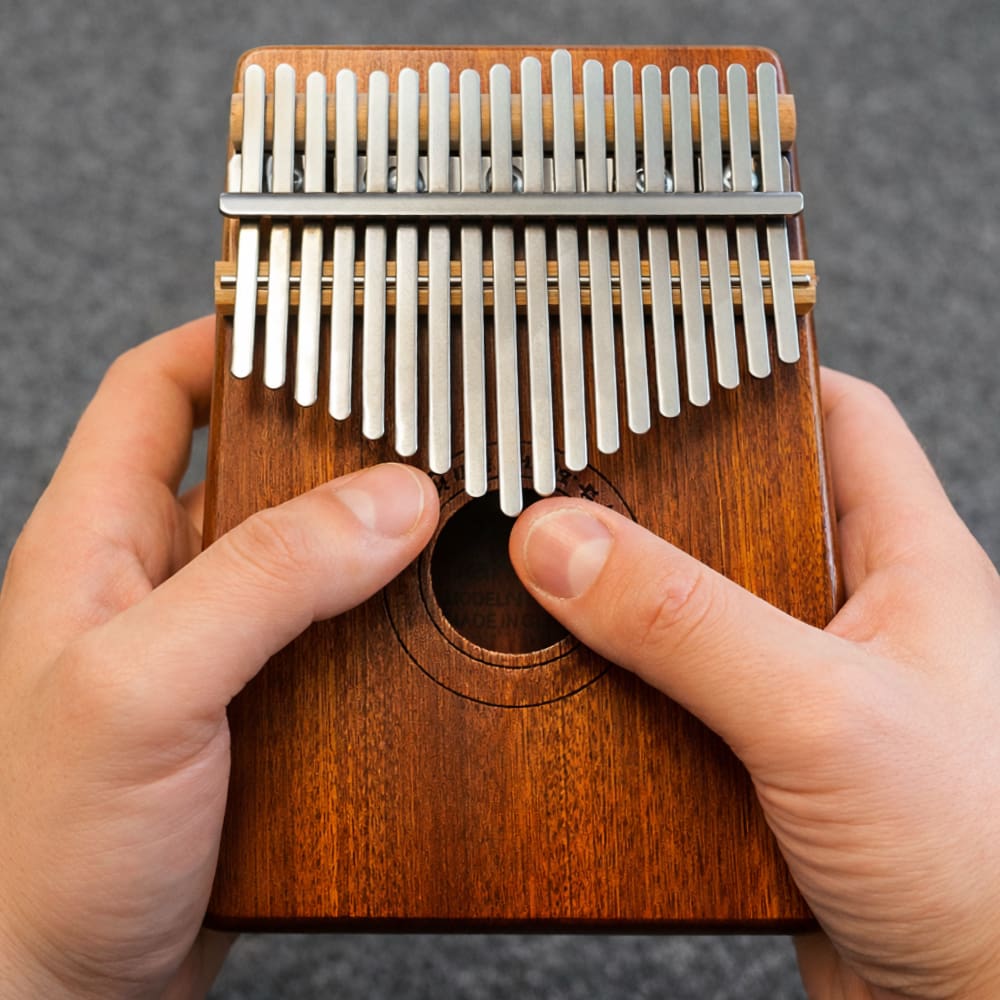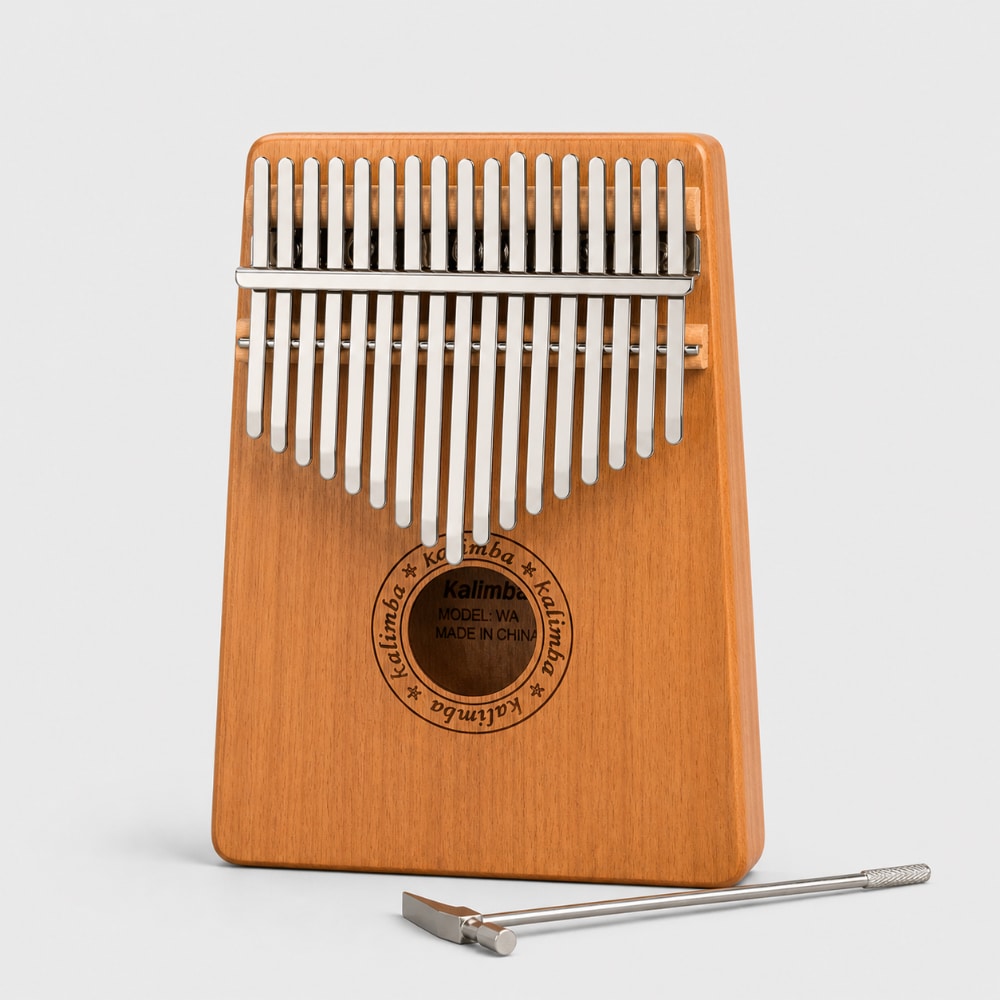
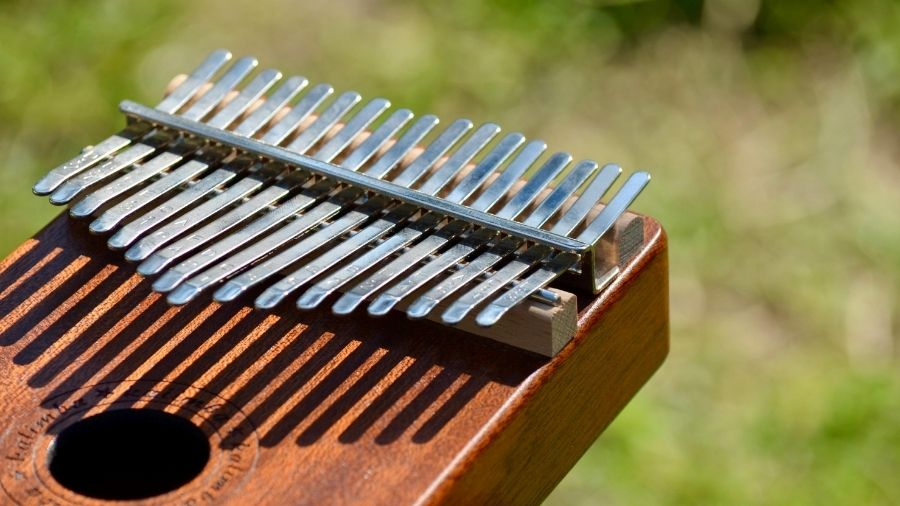
The standard 17-note Kalimba is typically tuned to a C Major scale, which means it can only play the white notes on a piano (diatonic scale). While perfect for simple, meditative melodies, playing complex music, jazz, or songs that require black notes (sharps and flats) seems impossible. The good news is that you don't necessarily need a specialized chromatic Kalimba to access these notes. By understanding two core techniques—one physical adjustment and one playing trick—you can unlock a full range of chromatic compositions on your existing instrument.
The Tuning Adjustment Method (Semi-Chromatic)
The most reliable way to play a specific sharp or flat note is to temporarily tune a less-used tine. This is the Semi-Chromatic method. The standard Kalimba has two notes for C, D, E, etc. (one on the left, one on the right). Identify a note you rarely use (or one you can spare, like a high E or F) and use your tuning hammer to tap it slightly sharp or flat. For example, if you need a C#, tune your second C tine up a half step. The Fix: Use a tuning app and your hammer to precisely tap the tine until the app reads C#. Remember, you sacrifice that tine’s original note, so choose your accidentals wisely for each song you play.
The Advanced Technique (Pitch Bending)
For fast, temporary shifts in pitch—like those needed for blues or jazz—you can use the Pitch Bending technique. This is a subtle physical trick that takes practice but does not require permanent tuning changes. After plucking a tine, use a fingernail or a thin metal tool (like a small screwdriver) to gently press down on the tine near the bridge or pressure bar. Applying slight pressure increases the tension on the tine, which raises the pitch and creates a sharp or flat sound temporarily. This technique is often used for glissandos or adding vocal-like expression to the notes.
When to Upgrade to a Chromatic Kalimba
While these techniques are excellent hacks, they are limitations. If your musical ambition focuses heavily on jazz, classical compositions, or playing with other instruments that rely on a full range of sharps and flats, you may be bottlenecked. A Chromatic Kalimba features a second tier of tines dedicated entirely to the sharps and flats (the black notes), allowing you to play in any key without altering your tuning. The upgrade is essential when the time spent re-tuning your instrument outweighs the time spent practicing.
Accessing sharps and flats is the final hurdle in Kalimba mastery. By applying these tuning and bending techniques, you can transform your repertoire from simple melodies into complex compositions.
The Only Songbook You'll Ever Need

The fastest way to build confidence and technique is by playing real music, and the Kalimba Songbook is designed for exactly that. This focused collection of 80 clean, easy-to-read kalimba tabs lets beginners and developing players skip long theory sections and start making music immediately, using clear tablature that removes frustration and builds skill naturally. By learning through real songs, reading kalimba notation becomes intuitive, progress feels effortless, and playing becomes far more enjoyable as your confidence grows.
Download the Kalimba Songbook →