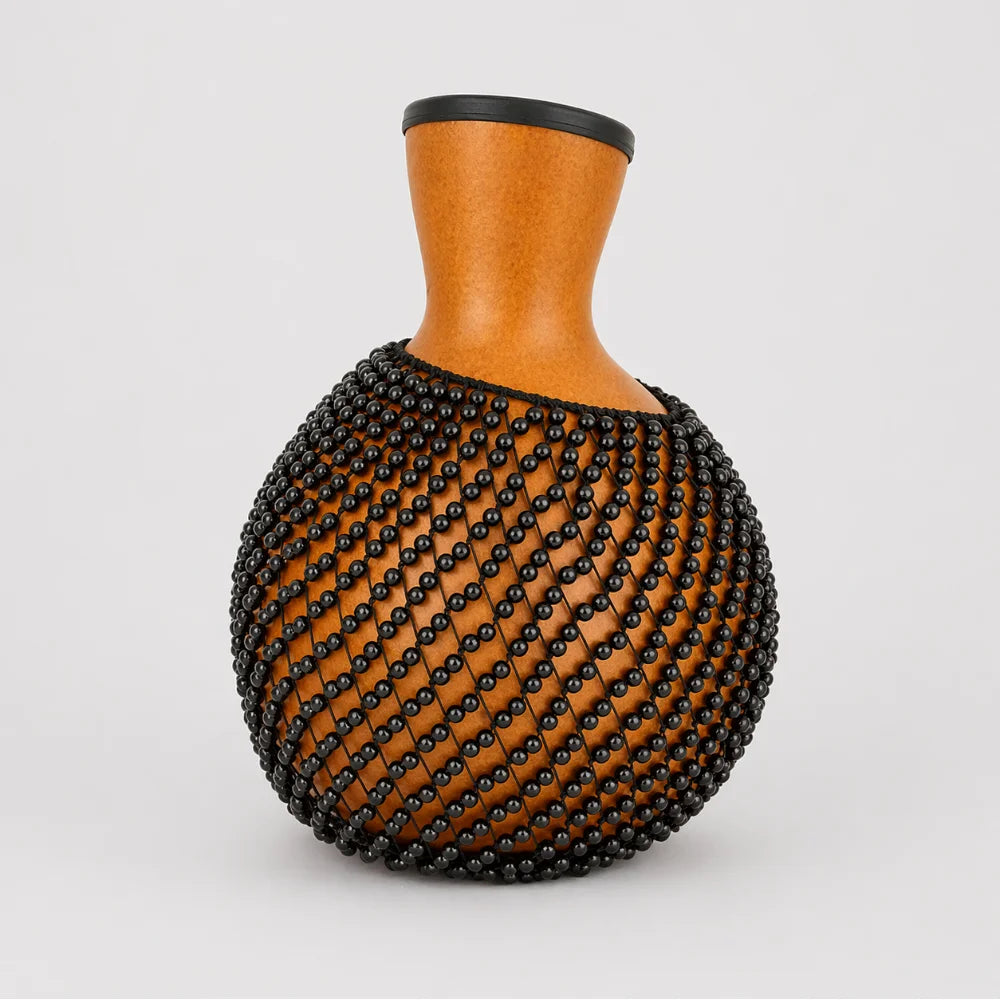
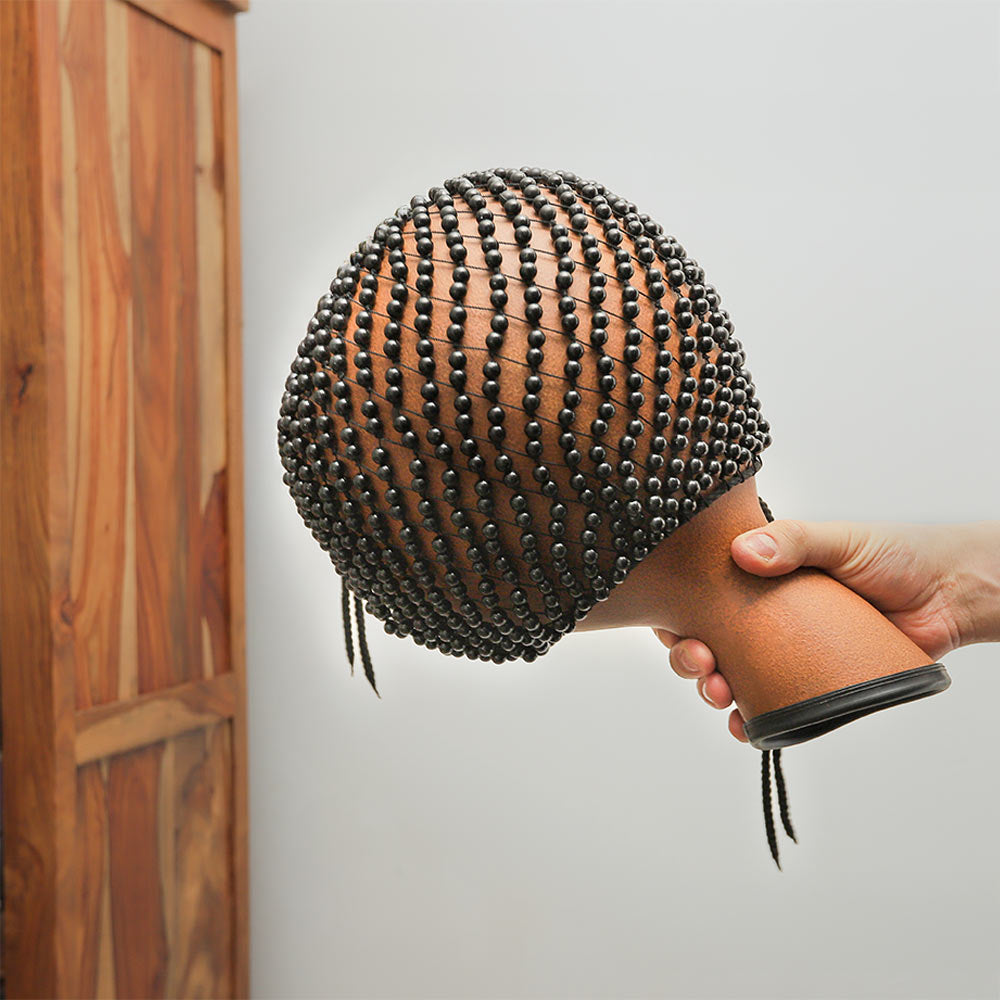
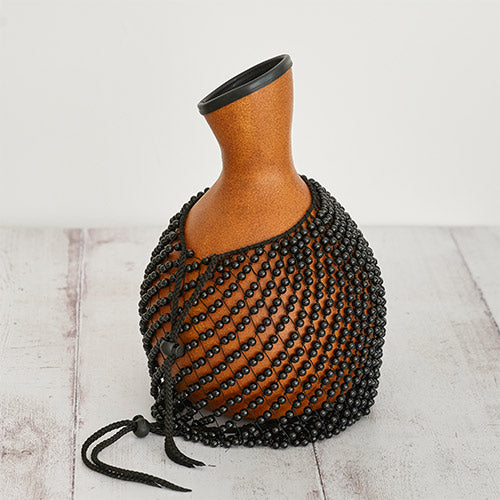
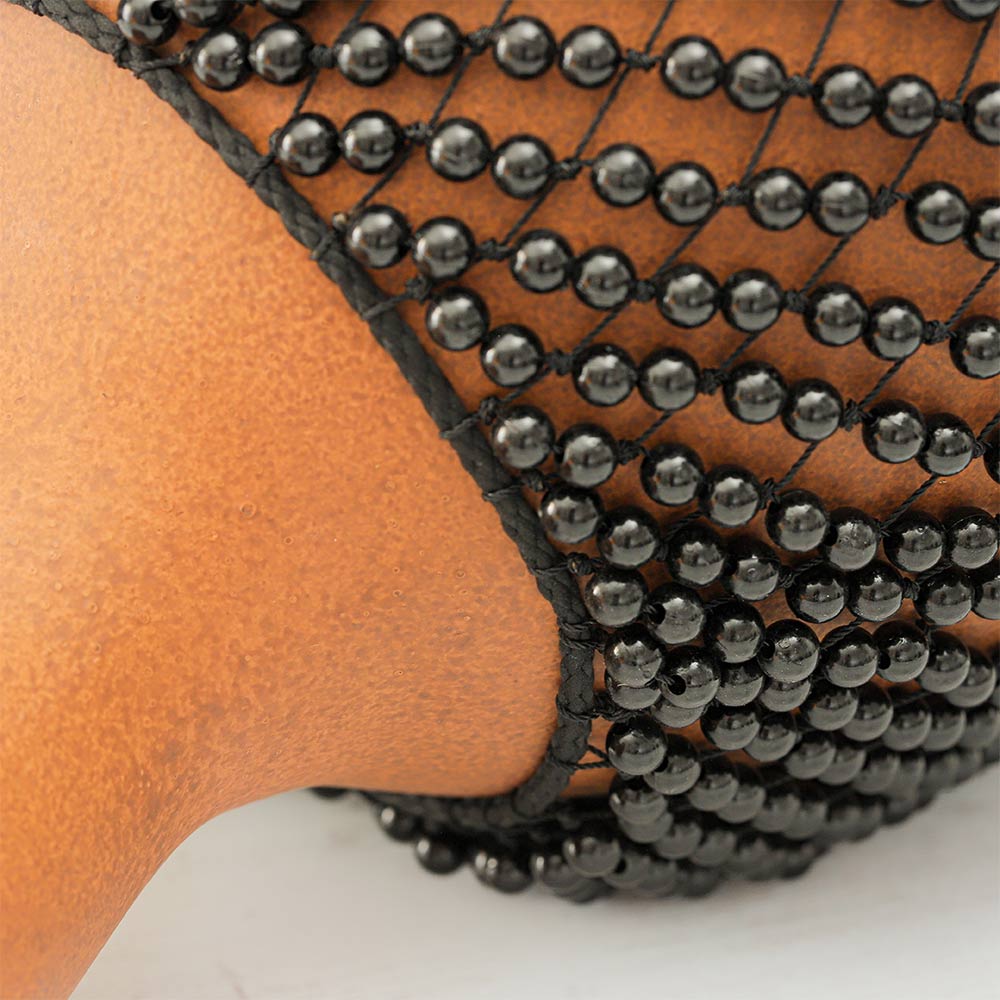
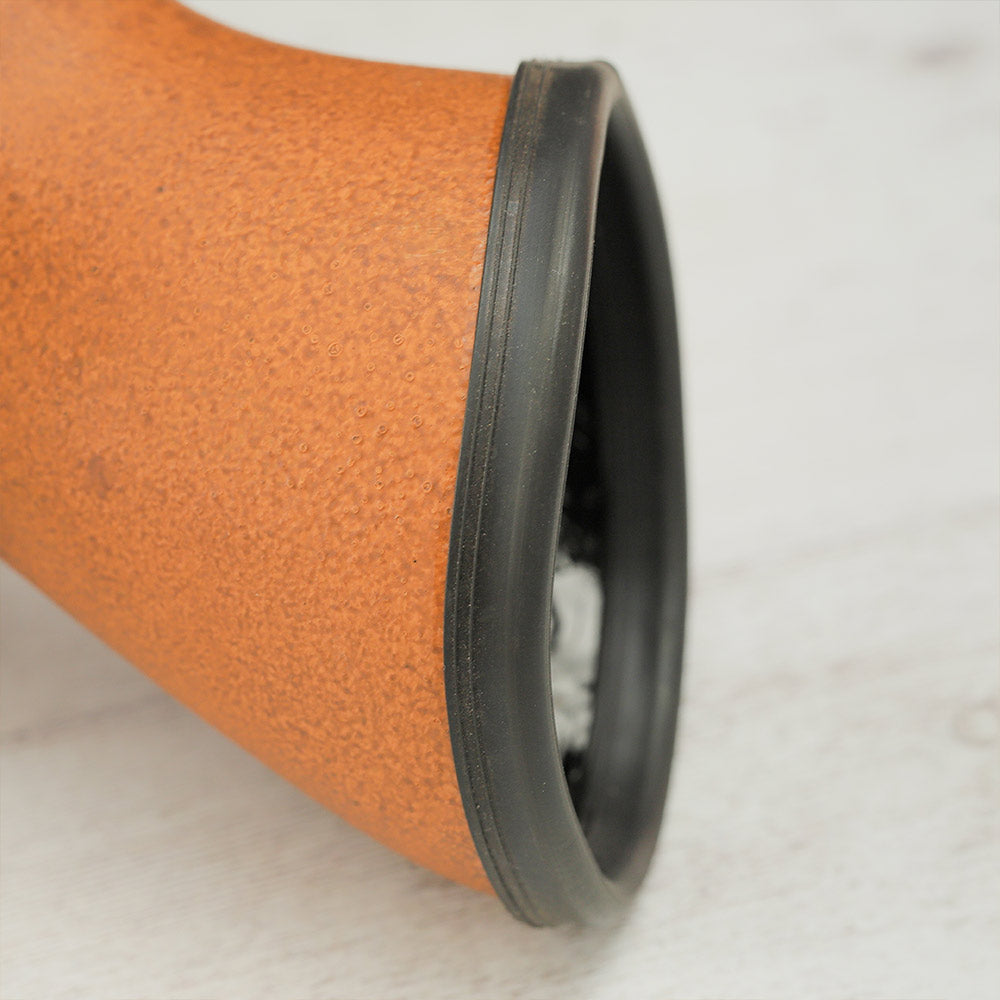
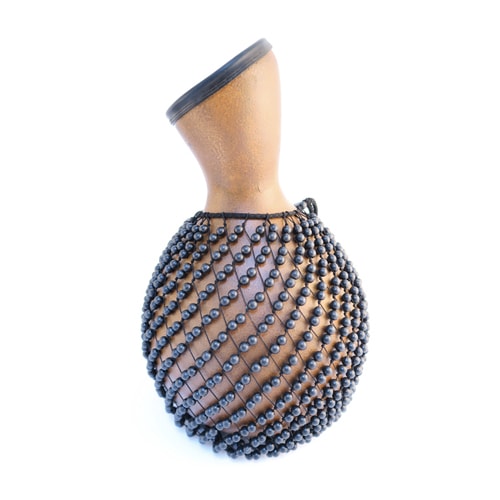
The Fibreglass Shekere is a striking African percussion instrument inspired by the traditional shekere of the Yoruba people of Nigeria. Crafted from a durable fibreglass shell and decorated with beads or cowries, it combines traditional design with modern durability while producing a loud, resonant sound that carries well in both performances and group settings. The large size creates rich rhythmic textures and expressive shaking effects, making it suitable for a wide range of musical styles. Whether you are a professional musician or just beginning your musical journey, this unique instrument offers an unforgettable playing experience and makes a thoughtful gift for anyone passionate about percussion and world music.
Specifications
|
Size
|
30cm x D20cm
|
|
Weight
|
700g
|
|
Country of Origin
|
Nigeria, Africa
|
|
Pitch
|
High pitch
|
|
Decay time
|
174ms
|
|
Dominant Frequency Range
|
800hz - 18khz
|
|
Frequency Range
|
250hz - 18khz
|
|
Peak decibels
|
88db
|
|
RMS decibels
|
75db
|
|
Loudness Rating
|
Level 8
|
|
Difficulty Rating
|
2
|
|
Attack
|
125ms
|
|
Timbre Tone Colour
|
Bright, sharp, resonant, sustaining, crisp, articulate, loud, penetrating
|
|
Dynamic Range
|
High
|
|
Safety Warning
|
Contains small parts. Not suitable for children without adult supervision.
|
Frequently Asked Questions
How to tune the instrument for the best sound?
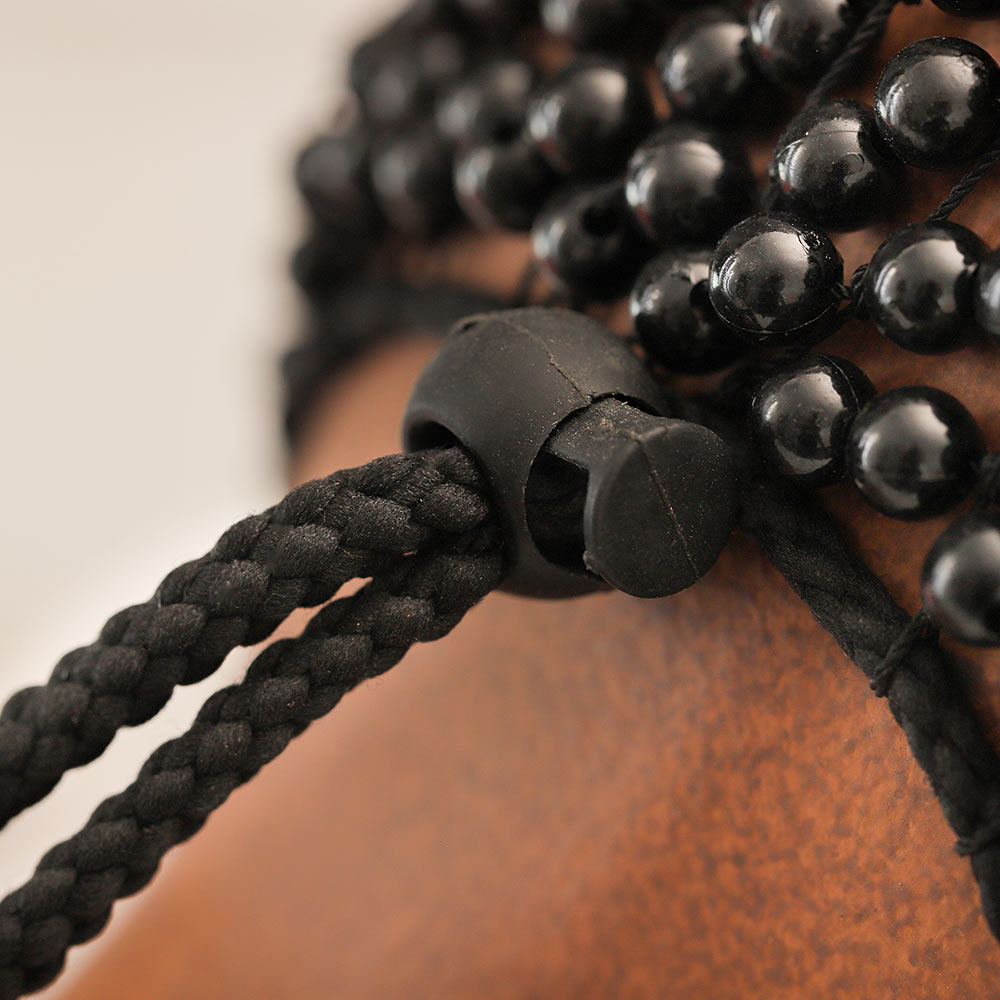
The instrument can be fastened to be looser or tighter depending on your preference. If it is tight, the instrument will be quieter when shaken, as the beads don't travel as far to hit the base. If it is looser, it will become louder. The tension affects the tonal quality, but not the resonance.
Is the beaded net attached or do I need to attach it?
The instrument comes fully assembled with the netted beads attached.
Is the fibreglass shekere suitable for beginners?
If you're new to percussion, the fibreglass shekere may feel heavy and challenging to hold, which could make playing more difficult. Beginners should consider a lighter instrument for easier handling, allowing them to focus on developing rhythm and technique.
Should the instrument be played upside down?
The instrument can be played both upside down or upright. Different playing styles produce unique sounds, so feel free to experiment with both techniques.