If you’re drawn to traditional Irish music but unsure whether a tin whistle or an Irish flute is right for you, you’re not alone. These two instruments are closely related, often used in the same musical traditions, and can sound deceptively similar to beginners. The good news is that the differences are clear once you understand how each instrument works, how it feels to play, and what kind of sound and commitment it asks from you. By the end of this guide, you’ll understand the core differences and feel confident choosing the one that fits your goals, experience level, and musical taste.
What Is a Tin Whistle?
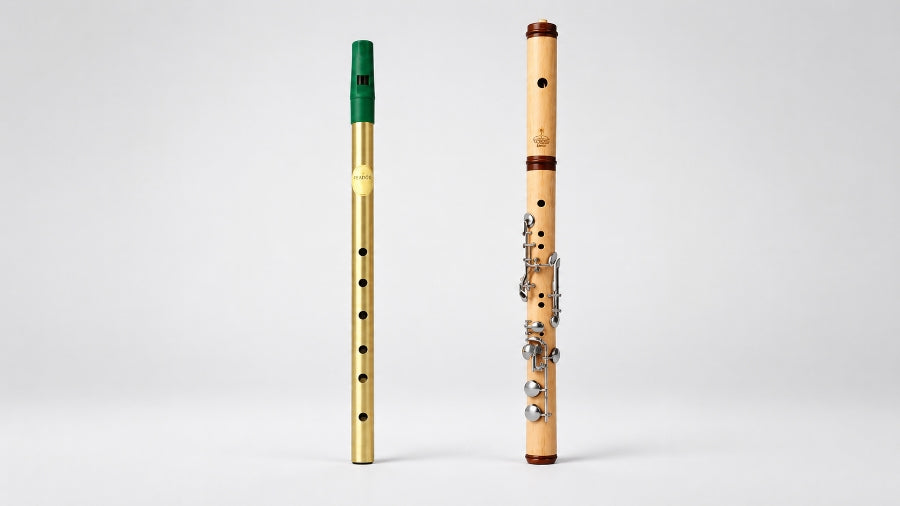
A tin whistle (or penny whistle) is a simple fipple-style woodwind from the British Isles, closely associated with Irish traditional music. Usually made from metal or plastic, it has six finger holes and a built-in mouthpiece that makes sound production immediate and forgiving.
The tone is bright, clear, and focused, allowing quick progress with minimal breath control, which makes it inexpensive, portable, and ideal for beginners. Its limitations are reduced tonal shading and dynamic range compared to flutes, and it can sound shrill if overblown. Overall, it’s an excellent entry point for folk music and simple, lively melodies with a very low barrier to entry.
What Is an Irish Flute?
An Irish flute is a simple-system, side-blown flute traditionally made from wood, though modern versions may use polymer or similar materials. Unlike a tin whistle, it has no mouthpiece—sound is created by shaping the embouchure and blowing across the tone hole, which makes it more demanding but far more expressive.
The tone is warm, deep, and breathy, with a wide dynamic range and strong control over phrasing and colour, ideal for slow airs and nuanced traditional playing. The trade-off is a steeper learning curve, higher cost, and slower early progress. The Irish flute suits players who value expression, patience, and long-term musical depth over quick results.
Which One Should You Buy?
Which you should buy depends on how you want to learn and play. Choose a tin whistle if you’re a complete beginner, want quick progress, simple melodies, a bright direct sound, and something affordable and portable. Choose an Irish flute if you’re willing to invest time in technique, want a warm and expressive traditional tone, enjoy breath control and subtle phrasing, and plan to commit long-term. Many players start on tin whistle and later move to Irish flute, while others play both—there’s no wrong choice, only different starting points.
Explore Woodwind Instruments Before You Decide

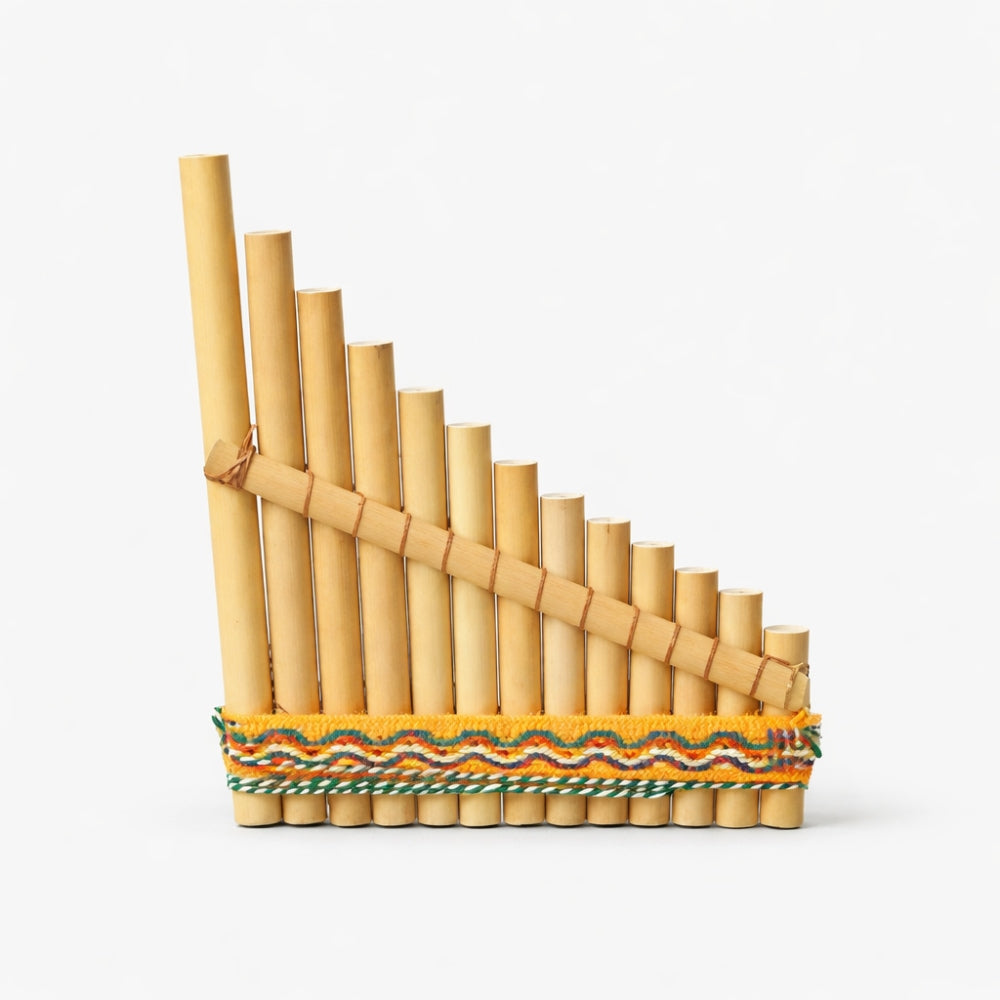
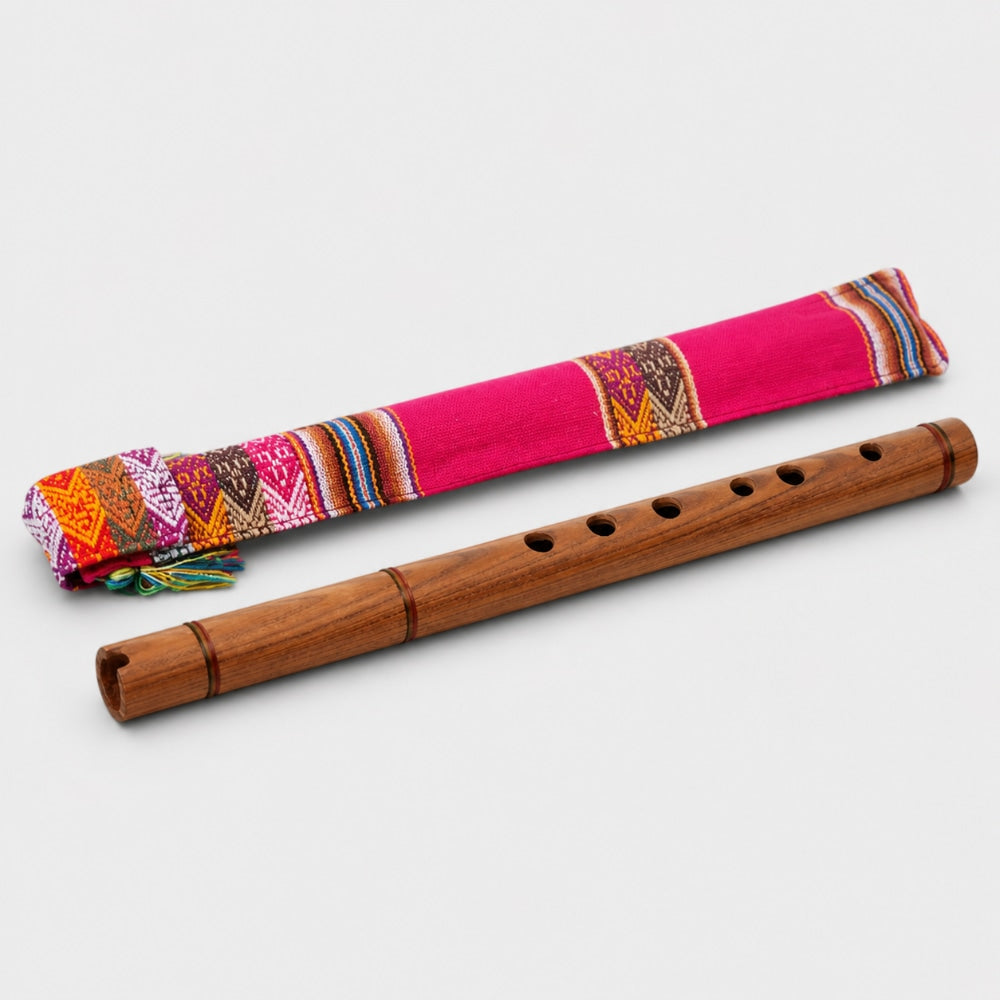
Early on, the most important step isn’t choosing the “perfect” instrument—it’s exploring what resonates with you. Woodwind instruments are some of the most approachable and expressive instruments available, and small differences in material, airflow, and shape can completely change the playing experience. Our woodwind collection includes a wide range of traditional and global instruments, from tin whistles and flutes to ocarinas, panpipes, harmonicas, and more. Each product page includes sound demos, so you can hear the character of an instrument before committing. If you’re still deciding between a tin whistle and an Irish flute, browsing and listening is the best next step. Let your ears—and your curiosity—guide you.
View our Woodwind Instruments.
Learn to Play the Flute

The Complete Flute Player takes you from the fundamentals of producing a clear tone through fingering, breath control, rhythm and playing techniques, with practical exercises and songs to develop your playing.
Download The Complete Flute Player →