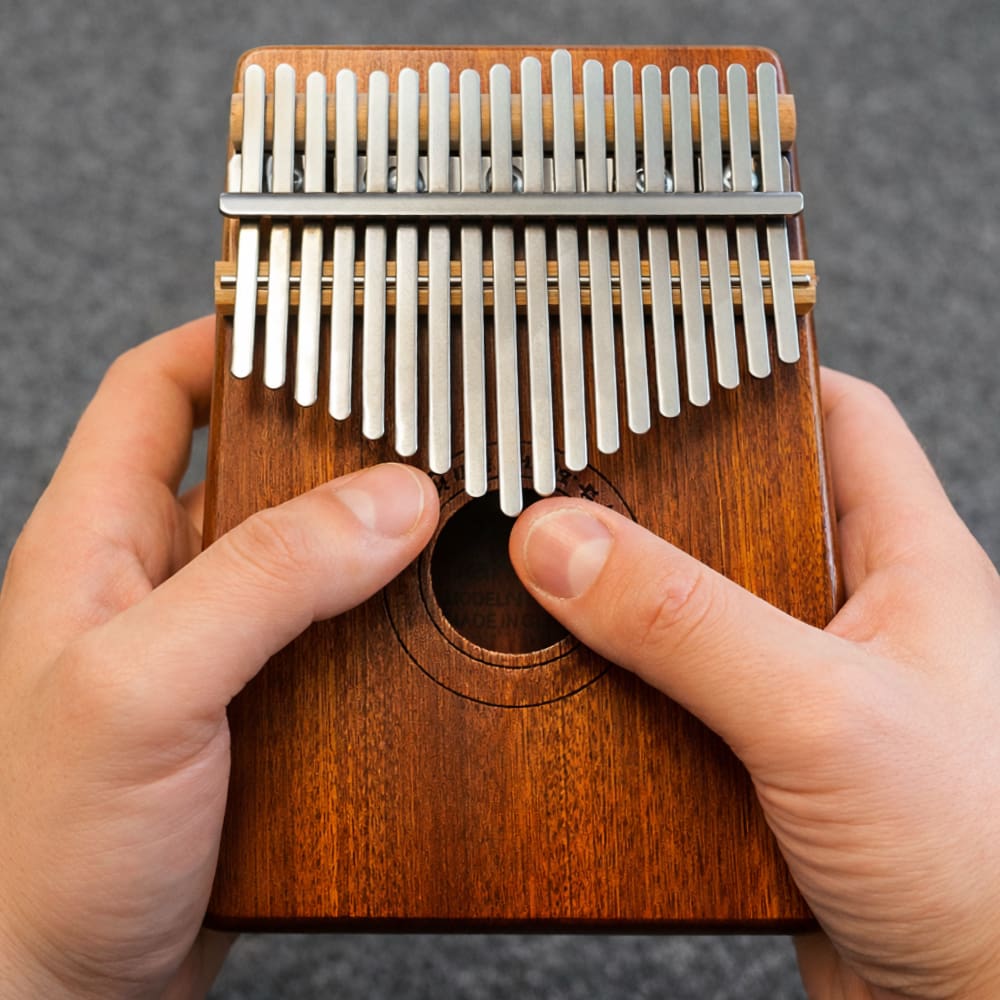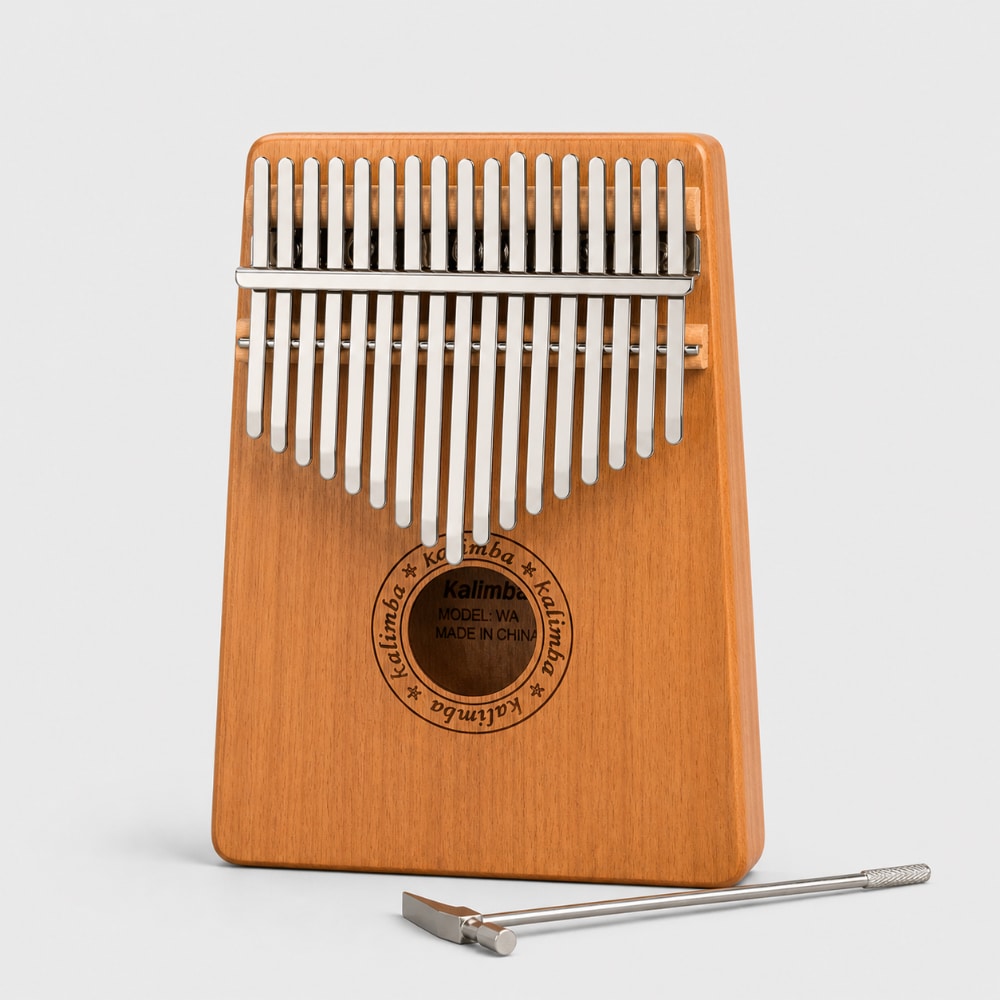

If you’re searching for Super Mario kalimba tabs, you’re in the right place. Mario music works brilliantly on a 17-note kalimba in C major because the melodies are clear, catchy, and built around strong chord tones—so they sound bright, bouncy, and instantly recognisable even on a simple instrument. Below are seven popular Mario themes with tabs, plus quick context so you know what each tune is, why it’s famous, and how it tends to sound on kalimba.
1. Super Mario Bros. – Main Theme (Overworld)
The iconic Overworld Theme was composed by Koji Kondo for Super Mario Bros. (released 1985) and is one of the most recognisable video game melodies ever written. On kalimba it sounds playful and “springy,” but it’s rhythm-heavy—play it slower than you think at first so the bouncy jumps stay clean.
3* 3* 3* 1* 3* 5*
5 1* 5 3 6 7 6 5
5 1* 5* 6* 4* 5* 3* 1* 2* 7
5* 4* 4* 2* 3*
5 6 1* 6 1* 2*
5* 4* 4* 2* 3* 1** 1** 1**
5* 4* 4* 2* 3*
5 6 1* 6 1* 2*
3* 2* 1*
1* 1* 1* 1* 2* 3*1* 6 5
1* 1* 1* 1* 2* 3*
1* 1* 1* 1* 2* 3* 1* 6 5
3* 3* 3* 1* 3* 5*
5 3′ 1′ 5
5 6 4′ 4′ 6
6 6′ 6′ 6′
5′ 4′ 3′ 1′ 6 5
3′ 1′ 5
5 6 4′ 4′ 7
7 4′ 4′ 4′ 3′ 2′ 1′
2. Super Mario World – Overworld Theme
Super Mario World (released 1990) continued Nintendo’s signature melodic style, with music again credited to Koji Kondo. This Overworld tune feels more “groovy” than the 1985 theme; on kalimba it sounds smooth and upbeat, especially if you keep the repeating patterns even and light.
A* F* C* B C* D*
(C*E*)(C*E*)(C*E*)(C*E*)(C*E*)(C*E*)
(D*F*)(D*F*)(D*F*)(C*F*)(C*F)(C*F*)
(C*E)(C*E*)(C*E*)(C*E*)(C*E*)(C*E*)
(D*F*)(F*C*)
E* C* G A C* C*
A G C* C* G* E* D*
E* C* G A C* C*
A G C* F* E* D* C*
E* C* G A C* C*
A G C* C* G* E* D*
E* C* G A C* C*
A G C* F* E* D* C*
E* C* G E* C*
E* C* G E* D*
E* C* G E* C*
D* C* G G*
E* C* G A C* C*
D* E* C* A C*
A G* A* G* A* G*
F* E* D* C*
C* A C* D* E* E* D* C*
C* A C* D* E*
C* A C* D* E* F* G*
C* A C* D* C*
3. Main Title (Mario & Luigi: Bowser’s Inside Story)
Bowser’s Inside Story released in 2009, with music credited to Yoko Shimomura. This title theme has that “JRPG-sparkle” energy—on kalimba it can sound surprisingly dramatic if you emphasise the top notes and keep the left-hand (low notes) steady.
1 5 4 1 5 4 3 4 6 1°
1 5 (4+1) 345434
1 (3+5) (4+2) (3+1) (4+2) (6+4) (1°+6)
(6+4) (1°+6) (2°+7) (3°+1°) (2°+4°) (3°+1°) (1°+6) (6+3)
(2°+7) (3°+1°) (4°+2°) (3°+1°) (3°+1°) (3°+6°) (3°+5°)
(2°+7) (3°+1°) (4°+2°) (3°+1°) (1°+6) (6+3)
(2°+7) (3°+1°) (4°+2°) (3°+1°) (3°+1°) (1°+1) (5°+5) (4°+4)
4. Super Mario 64 – Piranha Plant’s Lullaby
Super Mario 64 released in 1996, with Koji Kondo credited for the soundtrack. This track is a gentle, slightly eerie lullaby—on kalimba it comes out dreamy and “floaty,” especially if you let notes ring and avoid rushing the rests.
Tuning
4′ = F to F#
(1′ 3′ 5′ 7′) (2′ 4′ 6′)
(7 2′ 4′) (5 7 2′)
7 (6 1′) 3′ 7′ (2′ 4′ 6′)
3′ 4′ (5 7 2′)
5 6 7
(1′ 3′ 5′ 7′) (2′ 4′ 6′)
(5′ 7′ 2”) (1′ 3′ 5′)
7 (6 1′) 3′ 7′ (2′ 4′ 6′)
3′ 4′ (5 7 2′) 6 7 5
(1′ 3′ 5′ 7′) (2′ 4′ 6′)
(7 2′ 4′) (5 7 2′)
7 (6 1′) 3′ 7′ (2′ 4′ 6′)
3′ 4′ (5 7 2′)
5 7
(1′ 3′ 5′ 7′) (2′ 4′ 6′)
(5′ 7′ 2”) (1′ 3′ 5′)
7 (6 1′) 3′ 7′ (2′ 4′ 6′)
3′ 4′ (5 7 2′)
6 7 5
(7′-1) 7′ 7′ 7′ 7′ 7′ 7′ 7′ 6′
(6′-2) 6′ 6′ 6′ 6′ 6′ 6′ 6′ 5′
(5′-1) 5′ 5′ 5′ 5′ 5′ 5′ 5′ 4′ 3′ (5 7) 2′
5 6 7
(7′-1) 7′ 7′ 7′ 7′ 7′ 7′ 7′ 6′
(1”-2) 1” 1” 1” 1” 1” 1” 1” 7′
(2”-3) 2” 2” 2” 2” 2” 2” 2”
1” 2” (5′ 7′) (4′ 6′ 1”)
(1′ 3′ 5′ 7′) (2′ 4′ 6′)
(7 2′ 4′) (5 7 2′)
7 (6 1′) 3′ 7′ (2′ 4′ 6′)
3′ 4′ (5 7 2′)
5 6 7
(1′ 3′ 5′ 7′) (2′ 4′ 6′)
(5′ 7′ 2”) (1′ 3′ 5′)
7 (6 1′) 3′ 7′ (2′ 4′ 6′)
3′ 4′ (5 7 2′ 5′)
5. The Wind is Blowing at Cavi Cape (Mario & Luigi: Bowser’s Inside Story)
Also from 2009 and credited to Yoko Shimomura, this piece is airy and travel-like—perfect kalimba material because it leans on flowing patterns rather than aggressive jumps. It sounds best with a gentle “wave” feel: even volume, no stabbing notes.
6-4 1’ 7 5-3 6-4 1’ 2’ 7-5
6-4 1’ 7 5-3 6-4 1’ 2’ 7-5
6’ 5’ 6’ 7’ 6’ 2’’ 1’’ 7’ 6’ 7’ 5’ 4’ 5’ 6’
2’ 6’ 5’ 4’ 3’ 4’ 3’ 2’ 1’ 2’
2’ 3’ 4’ 3’ 2’ 2’ 3’ 4’ 3’ 2’ 6’
2’ 3’ 4’ 3’ 2’ 3’ 4’ 3’ 2’ 6
6’ 5’ 6’ 7’ 6’ 2’’ 1’’ 7’ 1’’ 7’ 6’ 7’ 5’ 4’ 5’ 6’
2’ 6’ 5’ 4’ 3’ 4’ 3’ 2’ 1’ 2’
2’ 3’ 4’ 5’ 6’ 5’ 4’ 3’ 1’ 2’
1’ 6 2’ 3’ 1’ 2’
2’ 3’ 4’ 5’ 6’ 5’ 4’ 3’ 1’ 2’
1’ 6 2’ 3’ 5’ 4’ 3’ 2’
6. Dire, Dire Docks (Super Mario 64)
This is the calm underwater theme from Super Mario 64 (1996, Koji Kondo). On kalimba it sounds beautiful and “ocean-smooth,” but it’s long—treat it like a slow meditation piece and focus on consistent spacing more than speed.
C D G A B
D* (G*D) G B (G*C**)
B* G* (C*C) D F AB
D* (G*C) F A (G*C**)
B* G* (CD*) D A B B
D* (G*D) G B C**
B* G* (C*C) F A C* D*
D* (G*C) F A C**
B* G* C D (G*G) (AA*) (B*B) (C*C**) (B*B)(AA*)(G*G) C (FD*) C* G*
(CD*) D A (DG) G
G (FC) D (CE)
(C*C) F (C*C) B (DD*) (G*G)
(AD) (GB) C D G D* G*
D* G (DD*)(G*G)(AA*)(B*B)(C*C**)(B*B)(AA*)(G*G)C
(FD*)C G (CD*) D A (DG) G
G (FC) D (CE) (C*C) F (C*C) B (DD*) (G*G)
(AD) (GB) C D G D* G*
C G B C* E* D* C* E* (CD*) G B G
F G C E A E D* C* (EB) C* (DB) G
D C G B C* E* D* C* E* D* G B G C F G
C* D* C* (CB) (CG) (CE)
7. Jump Up, Superstar! (Super Mario Odyssey)
This vocal song is from Super Mario Odyssey (released 2017), and the English performance is sung by Kate Higgins(the voice of Pauline). On kalimba, the melody comes out bright and pop-like—play it with short, punchy notes so it keeps that “stage song” energy.
Gº B G A Eº Cº
Cº Eº Cº Gº Fº Eº Fº Gº
Gº Fº Eº Fº Gº
Gº Fº Eº Fº Gº Cºº Bº Gº
Eº Fº Gº Fº Eº Fº Gº
Want More Kalimba Songs You Can Play?

The 17-Note Kalimba Songbook is built for players who know the basics and want to improve by playing real music, not reading lessons. It contains 80 clear, well-paced tablatures written specifically for C-major 17-note kalimbas, helping you build timing, accuracy, confidence, and musical flow simply by playing. There’s no theory overload—just a wide mix of familiar songs (folk, classical, nursery, seasonal, and more) laid out so you can sit down and start immediately. If you enjoy learning through songs and want your kalimba to become a daily habit, this book gives you a long, enjoyable path forward—one melody at a time.