In Indian classical dance, music is not mere accompaniment; it is the soul of the performance. Every gesture, step, and emotion expressed by the dancer (the Abhinaya) is intricately linked to the complex rhythms (Tala) and melodies (Raga) provided by the musical ensemble. While the Tabla is often recognized globally, a rich tapestry of string, wind, and percussion instruments gives life to forms like Bharatanatyam and Kathak. Exploring these instruments is a direct path into understanding the spiritual and cultural depth of Indian dance.
Mridangam
The Mridangam is a double-sided, barrel-shaped drum and the primary rhythmic accompaniment in South Indian (Carnatic) classical music, which forms the basis for Bharatanatyam and Kuchipudi. It is crafted from wood and has two different-sized heads, producing a dynamic range from deep bass to high-pitched slaps. The Mridangam often leads the rhythmic patterns, driving the footwork (Tattukazhi) and providing the foundational pulse for the entire performance.
Dholak Drum

The Dholak is a two-sided, barrel-shaped drum extremely popular in North Indian folk music, festivals, and Bollywood-influenced dance. While it might not be the primary drum in a formal classical setting like the Mridangam, the Dholak's lively, versatile beats are essential for supporting the energetic folk elements and rhythmic complexity found in regional and popular dance performances. (We offer the Dholak Drum in our collection.)
Pakhawaj
As the predecessor to the Tabla, the Pakhawaj is a two-headed barrel drum primarily used in North Indian (Hindustani) music and is particularly prominent in Kathak dance. Its construction allows for deep resonance and a complex array of strokes that emphasize the dance's vigorous and intricate rhythmic footwork. The Pakhawaj provides depth and sustained tone, adding a foundational layer beneath the rapid articulation of the dancer's ankle bells.
Sitar
The Sitar is one of India's most iconic stringed instruments, primarily used in Hindustani classical music to provide the melodic foundation (Raga). With its long, fretted neck, numerous playing strings, and resonant gourds, the Sitar weaves a rich tapestry of sound that carries the emotional narrative of the dance. Its rich, shimmering tone, often accompanied by sympathetic strings, enhances the emotional depth and storytelling (Nritya) of the performer.
Khartal

The Khartal is a small, solid percussion instrument, usually consisting of two pieces of wood or metal that are clicked together. This falls into the category of Ghana Vadya (solid, un-tuned instruments) and serves as an important timekeeper and accent tool. The precise, delicate sounds of the Khartal are used to inject rhythmic complexity and highlight specific footwork and transitions within the dance.
Sarangi
The Sarangi is a bowed string instrument famous for its ability to mimic the subtle vocal ornaments and emotional nuances of the human voice. This instrument often takes on a particularly poignant role in expressive dance forms, injecting deep emotional sentiment—ranging from melancholic longing to passionate joy—into the performance. Its unique sound, derived from its sympathetic strings, adds a layer of raw, human emotion to the dancer's narrative.
Bansuri
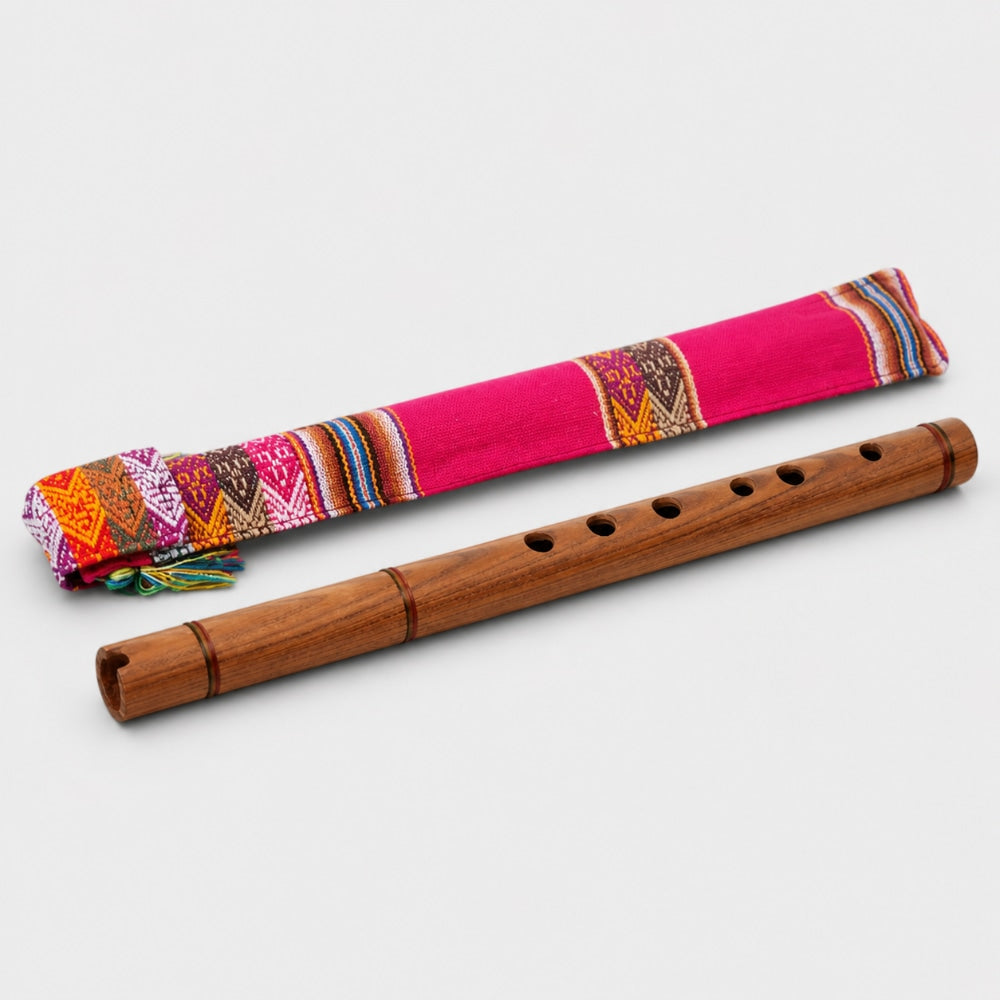
The Bansuri is a simple yet deeply expressive transverse flute made from bamboo. Its soft, sweet, and fluid tones are strongly associated with the Hindu deity Krishna and themes of divine love. The Bansuri adds a graceful, flowing quality to the melodic palette and is frequently featured in dances like Kathak and Odissi, where its smooth, breathy phrases beautifully complement the dancer's fluid movements and expressions.
Manjira, or Talam

The Manjira, or Talam, refers to a pair of small, metallic hand cymbals. These are Ghana Vadya instruments used to keep the precise time cycle (Tala) for the entire ensemble. Their clear, ringing sound provides a rhythmic reference point for the dancer and helps maintain the intonation and tempo, ensuring the music and movement remain perfectly synchronized throughout the complex choreography.
Harmonium
The Harmonium is a keyboard instrument driven by hand-pumped bellows, provides essential harmonic support and a continuous melodic background (Lehra) to the performance. It offers a stable pitch reference for the vocalist and helps to underpin the dancer's movements with a consistent harmonic structure. Its versatility makes it a common fixture in the musical ensemble, ensuring the entire performance remains in key and rhythm.
Veena
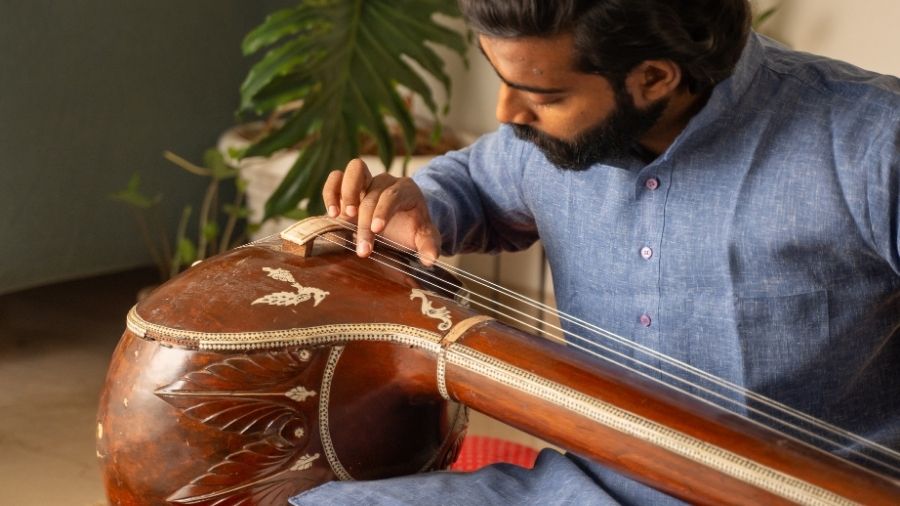
The Veena is an ancient, revered plucked string instrument used in South Indian Carnatic music. Distinguished by its large, graceful body, the Veena produces a mellow, soft, and resonant tone that establishes a foundational melody for dance forms like Bharatanatyam. Its sound adds a profound layer of tradition and spirituality, often used to express themes of devotion and reverence.
Ready to Play These Rhythms?
You now have a deep understanding of the diverse instruments that provide the soul, melody, and rhythm for Indian dance. Whether you are inspired by the foundational pulse of the Mridangam or the driving energy of the Dholak, the next step is to connect with these cultural traditions through music.