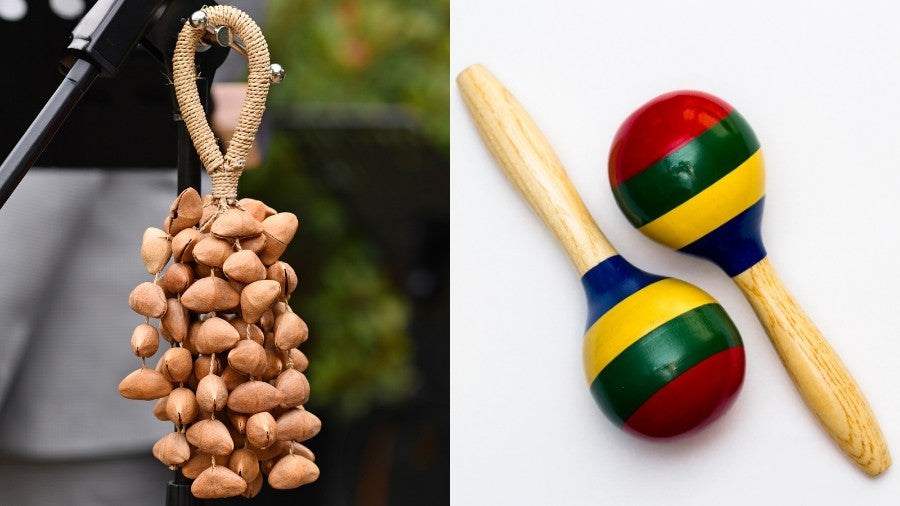
Lima nut clusters and maracas are both shaken percussion instruments, but they create very different sounds and serve different musical intentions. A lima nut cluster produces a layered, flowing texture made up of many small movements happening at once, while maracas create a consistent, punchy rhythm with each shake. If you’re choosing between them, the decision comes down to whether you want a soft, evolving sound or a clear, steady beat.
Lima Nut Cluster: Pros, Cons, and Best Uses

The Lima Nut Cluster is made from dozens of natural seeds threaded together, creating a rich, multi-layered sound that changes with every movement. Instead of a single hit per shake, each seed moves independently, producing a gentle cascade of tones. This makes it ideal for sound therapy, meditation, relaxation, and ambient music. It’s easy to play, requires no technique, and works beautifully as a calming instrument or even as a soft seed chime in a space.
The main limitation is volume and rhythmic precision. Lima nut clusters are not designed for sharp patterns or loud ensemble playing. They excel in slow, expressive movement where texture, warmth, and organic sound matter more than timing accuracy.
Maracas: Pros, Cons, and Best Uses

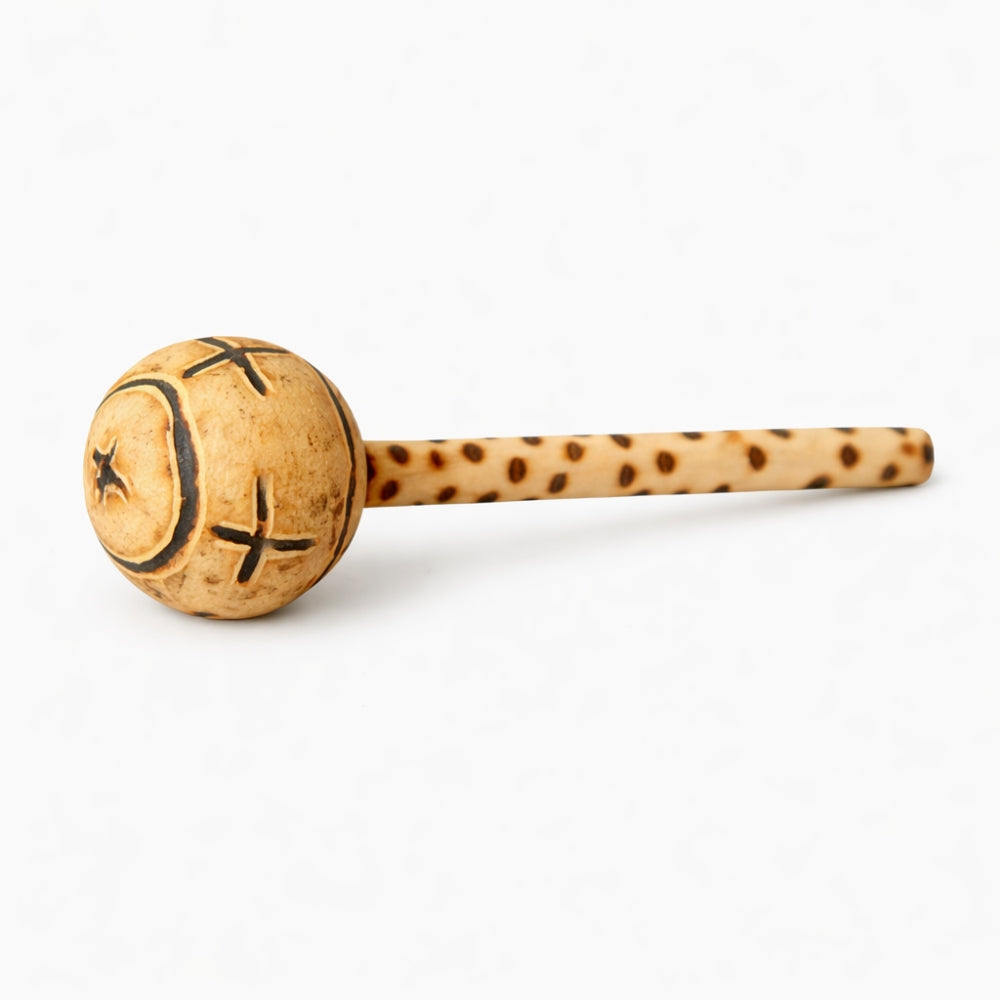
Maracas produce a direct, consistent sound because the beads inside move together as one. Each shake delivers a clear rhythmic accent, making them ideal for keeping time and adding energy to music. They are widely used in Latin music, education, and group percussion because they are loud, predictable, and easy to synchronise with other instruments.
Maracas don’t offer the evolving texture or softness of a nut cluster and are less suited to meditative or therapeutic settings. However, for rhythm, movement, and group play, they are extremely effective. Variations in size, material, and bead type affect brightness and volume, but all maracas share the same core rhythmic function.
Which One Is Right for You?
Choose a lima nut cluster if you’re drawn to relaxation, sound healing, and organic textures that evolve with movement. Choose maracas if you want a rhythmic instrument that cuts through music and keeps time. Neither is better overall—they simply serve different purposes. Once you understand how they sound and feel, the right choice becomes obvious.