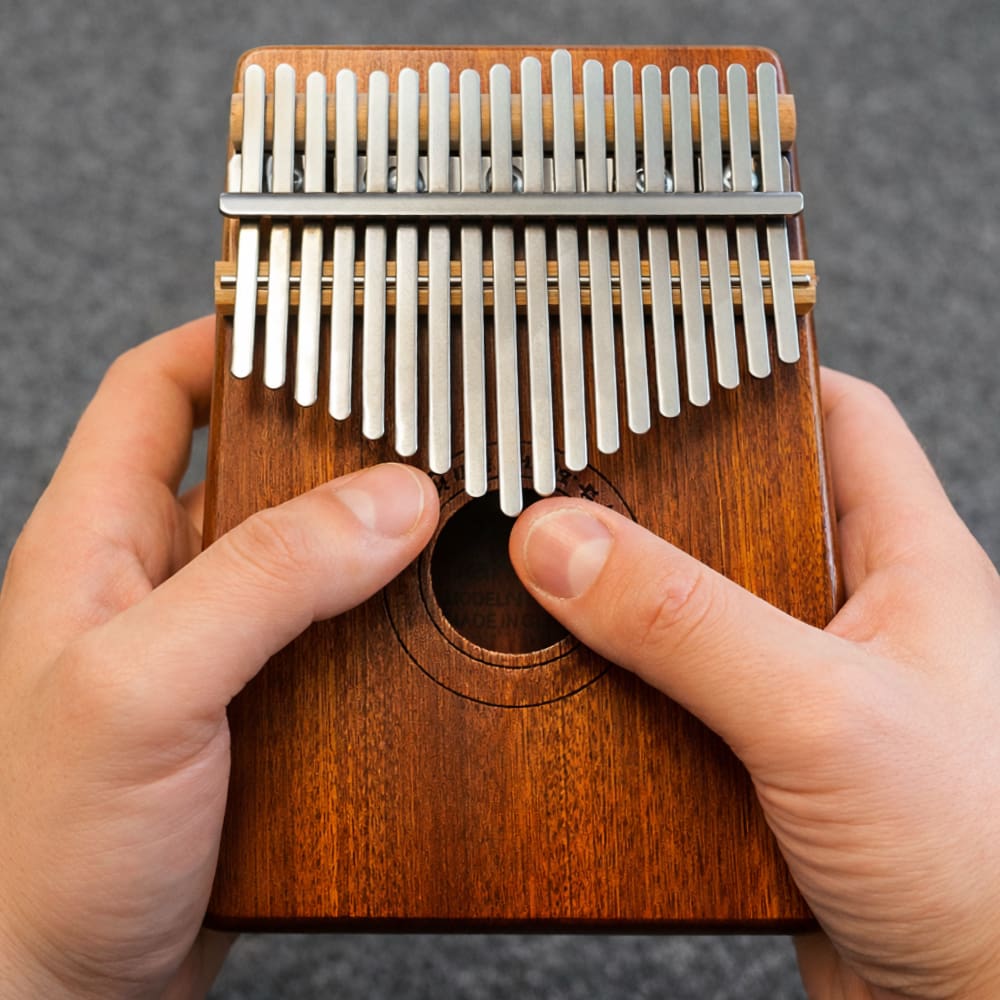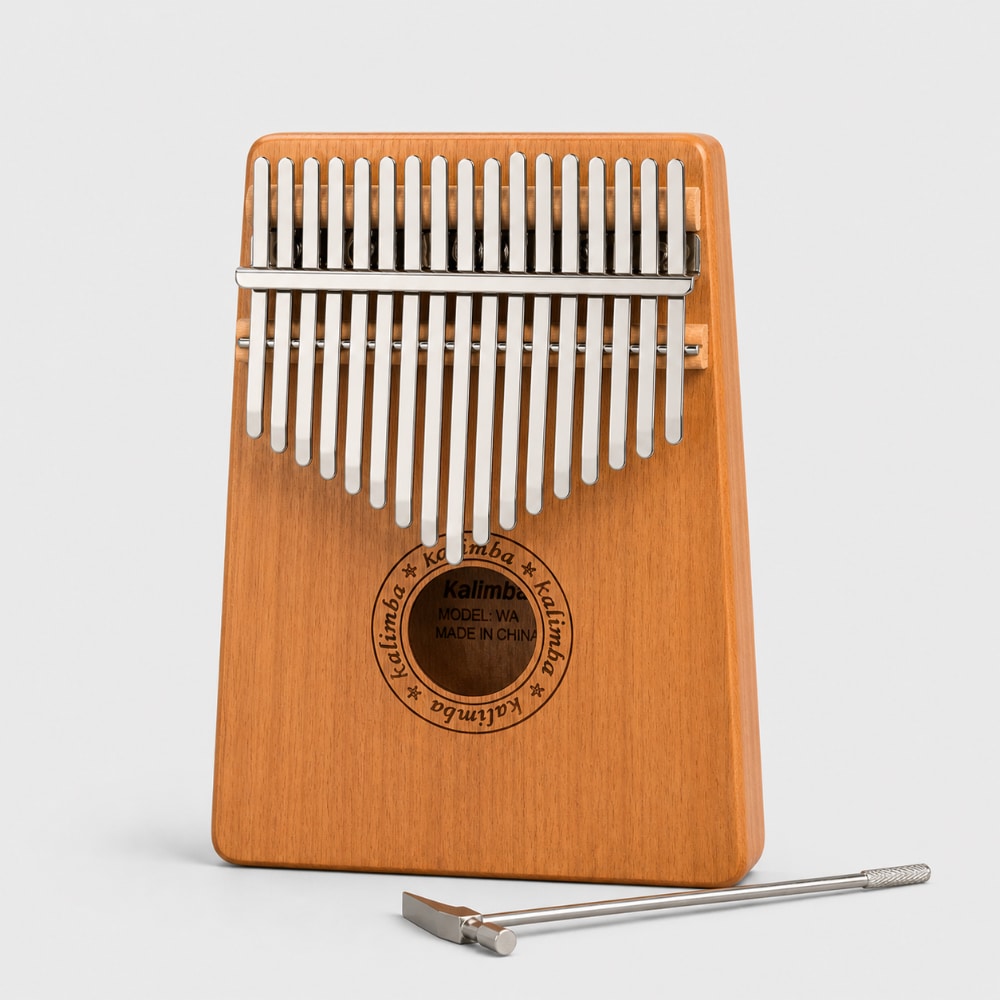

Tuning is the secret to unlocking the beautiful, clear, and meditative tone of your Kalimba. While your instrument should arrive perfectly tuned, several factors—from temperature changes to aggressive playing—can gradually pull the tines out of pitch. A Kalimba that sounds dull, discordant, or struggles to hold a note is usually just an untuned one. Don't worry—tuning the Kalimba is simple. Understanding when and why you need to tune it is the key to maintaining a lifelong, harmonious relationship with your instrument.
Why Your Kalimba Goes Out of Tune
Your Kalimba can go out of tune for a few reasons, but the primary factor is the inherent flexibility of the instrument's materials. As a wooden instrument, it is sensitive to changes in its environment. Temperature and humidity fluctuations can cause the wooden body to slightly expand or contract, which alters the tension on the metal tines and shifts the pitch.
Aggressive playing or dropping the instrument can physically move the metal tines, knocking them out of the correct position. Finally, if you experience buzzing tines, it means the tine is loose or the bridge screws need tightening—a structural issue that requires you to use the tuning hammer.
When to Check Your Pitch
Unlike guitars, the Kalimba does not need to be tuned before every single session. Your tuning schedule should be based on usage and environment. You should always tune your instrument after transporting it in cold weather or if you notice a sudden, dull sound. If you hear a rattling or buzzing sound, you must immediately fix and tune the affected tine.
A general rule is to check your tuning once every few weeks during regular play. You will also need to tune if you plan to play with other instruments, as all instruments must be perfectly synchronized. You may also choose to tune when you want to explore new musical possibilities by experimenting with custom tunings that suit your personal style or specific song needs.
Simple Steps for Fast Accurate Tuning
Tuning your Kalimba is a straightforward process that anyone can master using just two tools. First, download a free Kalimba tuning app for your smartphone to help you identify if the notes are correct. Then open the tuning app and pluck each tine one at a time to see if it matches the correct note (e.g., C, D, E). You can use a tuning hammer tool to gently tap the tine.
Tap downward (toward the sound hole) to lower the pitch, and tap upward (away from the sound hole) to raise the pitch. Make small adjustments while continuously checking the tuning app until each note is tuned correctly. Tuning is not a chore—it’s an investment in your musical clarity and enjoyment. By mastering the simple technique of using a tuning hammer, you ensure your Kalimba always produces that beautiful, clean tone. Stop struggling with guessing games and master the fundamentals today.
Learn to Play Kalimba Step-by-Step

Stop guessing and follow a clear step-by-step path designed for complete beginners. Instead of jumping between random tutorials, you’ll know exactly what to do from your first note. Learn how to hold the kalimba, understand how the notes work, and start playing real songs with short, focused lessons that are easy to follow and build real skill quickly. It’s a structured way to learn that saves you time, removes confusion, and helps you progress.
Access the Kalimba Starter Course →