Salsa brings percussion, bass, piano, horns and voices together in music made for movement. Its energy comes from interlocking parts: listen closely and you can hear each instrument adding something different. Understanding those layers makes salsa more rewarding to listen to, dance to and play.
Where Did Salsa Come From?
Salsa draws strongly on Afro-Cuban traditions, including son and rumba, and developed through exchanges between Caribbean musicians and Latin communities in New York. Puerto Rican musicians played a major role in shaping its sound and identity. Rather than one invention or a single national style, salsa reflects a continuing musical conversation. Today, bands and dancers give it different regional expressions across Latin America and beyond.
Claves and the Salsa Rhythm
Claves are two sticks struck together; clave is also the rhythmic framework that connects the musical parts. Common son-clave patterns spread five strokes across two bars: three in one and two in the other, giving the names 3–2 and 2–3. These numbers describe the strokes, not the time signature. The pattern may be implied rather than played aloud, so listening for how the parts fit together matters more than hunting for an audible click.
Congas, Bongos and Timbales
These drums give salsa contrasting textures. Congas are tall hand drums that combine open tones, slaps and softer strokes. Bongos are smaller paired drums, played with the hands for nimble patterns and fills. Timbales are shallow metal drums played with sticks, adding crisp accents and rolls; players can also strike the shells and mounted bells. Watch a live band and notice how the percussionists leave room for one another instead of all playing the same rhythm.
Maracas, Güiros and Cowbells

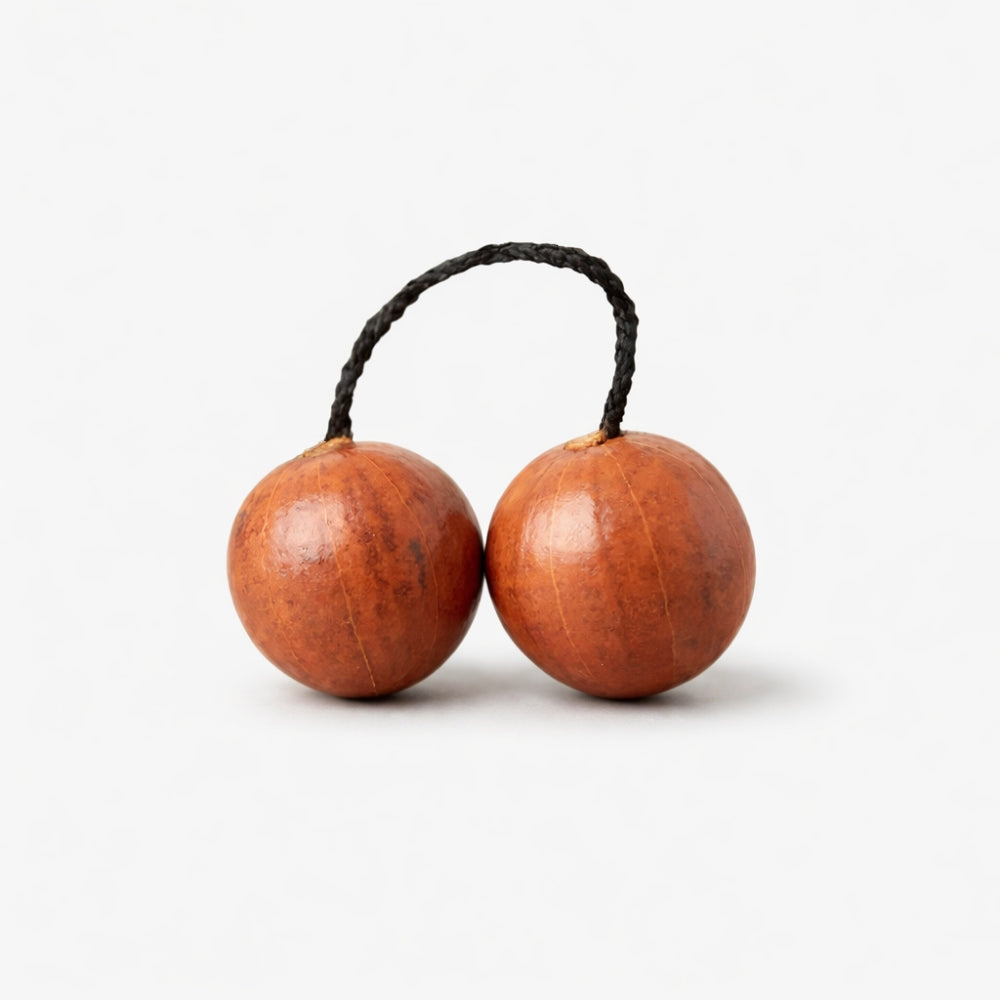
Maracas add a continuous shaken texture, güiros produce short and long scrapes, and musical cowbells cut through with clear rhythmic accents. Their parts complement the drums rather than simply following every beat. To explore shaker playing, our coconut-shell maraca offers a straightforward starting point; it is sold individually, so choose two if you want a pair. Its Indonesian origin makes it an option for practising shaker control, rather than an example of a traditional Cuban instrument.
Shop the Coconut Shell Maraca →
Piano, Bass, Horns and Vocals
Piano often repeats interlocking phrases called montunos, while bass connects the harmony to the groove. Trumpets and trombones add melodies, punchy accents and answering phrases; the exact lineup varies between bands. Lead singers and a chorus can trade lines in call and response. Try following just one part for a verse, then switch your attention to another: the arrangement becomes easier to hear when you stop trying to catch everything at once.
Start Playing Along
Choose a salsa recording with a comfortable tempo and count a steady “one, two, three, four”. Tap the pulse first, then try a quiet shaker with small, even movements. Keep the timing steady before adding accents or extra notes. This is a pulse exercise, not a complete salsa pattern; learn the specific part for your instrument as you progress. If you also dance, notice how the same musical cues help you follow changes in the band. You do not need a full percussion setup to begin exploring rhythm.
Find Your Rhythm: Explore Our Musical Instruments →
Further reading: the National Park Service’s salsa instrument exhibit explores clave, instruments and salsa’s cultural history.