
This complete guide covers the origins of musical spoons, the differences between wood and metal, how size and hand size affect playing, how to choose the right spoons, and how to play using basic rhythms, traditional techniques and drum-style patterns. You’ll also learn practical beginner tips for improving grip, timing, control and sound.
What Are Musical Spoons?
Musical spoons are a simple percussion instrument played by striking a pair of spoons together to create rhythmic clicks, rolls and accents. They are strongly associated with folk music traditions and can be played using purpose-made musical spoons or ordinary spoons.
Where Did Musical Spoons Originate?
Musical spoons have roots stretching back thousands of years. Evidence of spoon-like percussion instruments dates to around 1500 BCE, with Ancient Egyptian depictions of spoon-shaped objects used alongside dance and ritual, while Roman accounts describe spoon playing as entertainment at banquets. Spoons were everyday objects repurposed for rhythm rather than instruments made specifically for music.
Spoon playing later developed across many cultures. Irish and Scottish traditions used spoons alongside fiddles and dancing; Russian wooden lozhki became recognised folk instruments; Greek koutalakia and Turkish kaşıklar accompanied traditional dances. In America, spoons became associated with folk, jug-band and Appalachian music, often played alongside everyday instruments such as washboards and jugs. The 20th-century folk revival renewed interest, and spoons remain part of folk, roots, bluegrass and community music, valued for their sharp attack, rhythmic clarity and expressive performance style.
Wood vs Metal Musical Spoons

Wooden spoons produce a warm natural tone and they have a comfortable grip that is suitable for beginners, folk music and acoustic playing. Metal spoons are brighter, sharper and louder giving them greater projection in noisy settings or when you want a more pronounced attack. The difference comes from how the materials respond to impact: metal creates a tight defined strike, while wood absorbs some of the impact softening the sound.
What Size Musical Spoons Should You Choose?

Musical spoon size is influenced more by the depth of the spoon bowls and thickness of the wood than overall length. Shallower, thinner spoons produce a brighter, higher-pitched click with a fast response, making them suited to quicker rhythms and clear articulation. Deeper, thicker spoons produce a warmer, lower-pitched sound with more body and resonance, suited to slower grooves and accompaniment. For beginners, a medium-depth set offers a good balance of clarity, warmth and responsiveness, while experienced players can choose based on the tone and playing feel they prefer.
Does Hand Size Affect Musical Spoons?

Hand size has only a small effect on playing musical spoons. Larger hands may find spacing easier, while smaller hands may need to adjust their grip, but technique matters far more than hand size. Hold the spoons loosely enough to rebound naturally and space them so they strike cleanly—too wide can produce inconsistent contact, while too tight restricts movement. With the right grip, spacing and technique, most players can achieve a clean, consistent sound.
Where to Buy Musical Spoons?

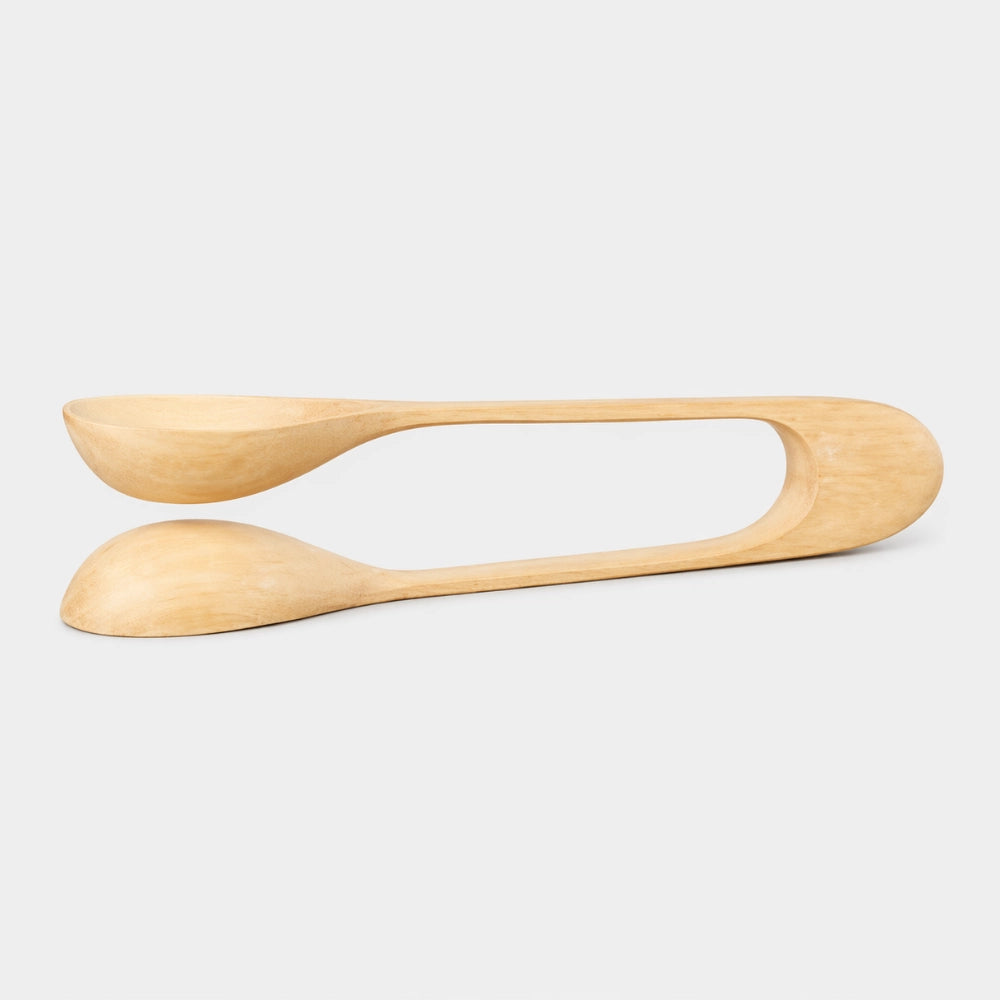
The Lakara Spoons Clapper is handcrafted in Indonesia from solid suar wood, producing a warm tone with clear attack. Lightweight, durable and easy to play, it responds naturally when struck against your palm or leg, with changes in speed and pressure creating everything from soft clicks to louder clapping rhythms. Suitable for beginners, schools, small bands and experienced players, it offers an accessible way to start playing while remaining great for rhythmic accompaniment and performance.
View our Lakara musical spoons
How to Play Musical Spoons
You can start with two ordinary kitchen spoons, although purpose-made musical spoons offer better balance, comfort and control. Focus on rhythm before speed: practise slow, even strikes until they are consistent, then gradually increase the tempo and play along with music to develop timing and groove.
How to Hold the Spoons

Hold the musical spoons in your dominant hand. Your grip should be secure enough that they won't slip, but loose enough that your hand and wrist stay relaxed. This allows the spoons to rebound naturally. While the exact grip can vary depending on the specific spoons you are using, they should always be able to move freely enough to create a clean, distinct clack.
Basic Playing Technique
Strike the spoons against your leg, knee, palm or opposite hand, using a relaxed wrist rather than your whole arm. Start with slow, even beats and let the spoons rebound naturally instead of forcing them together. Once comfortable, vary the timing and direction of your movement, add accents and alternate between different striking surfaces to create different tones and rhythmic patterns.
The Glide Technique
Spread the fingers of your free hand and keep them firm and straight. Angle the tips of the spoons toward your fingers and glide them across the knuckles, allowing the spoons to bounce rapidly as they move. You can finish the glide by striking your leg to create a strong rhythmic accent. Be careful when practising this technique with ordinary metal kitchen spoons, as their edges may scratch your skin.
Kitchen Spoons vs Musical Spoons
Kitchen spoons are useful for learning, but purpose-made musical spoons are shaped and balanced for playing, providing better control, tone and comfort during longer sessions. Many players start with kitchen spoons before moving to dedicated musical spoons for a more refined playing experience.
Beginner Musical Spoons Tips
Keep your grip stable but relaxed and allow the spoons to rebound naturally rather than forcing them together. Start slowly, focus on clean and consistent movement rather than hitting hard, and gradually build speed and control through regular practice.
How to Play a Drum Beat on Musical Spoons

Use your hand like a bass drum and your knee like a snare to create simple drum-style rhythms. Start by counting 1, 2, 3, 4, striking once on each beat. Once comfortable, practise these patterns slowly until they are consistent, then experiment with speed, accents and different combinations:
Hand, Hand, Hand, Hand
Knee, Knee, Knee, Knee
Hand, Hand, Knee, Hand
Hand, Hand, Knee, Hand
Take Your Spoon Playing Further

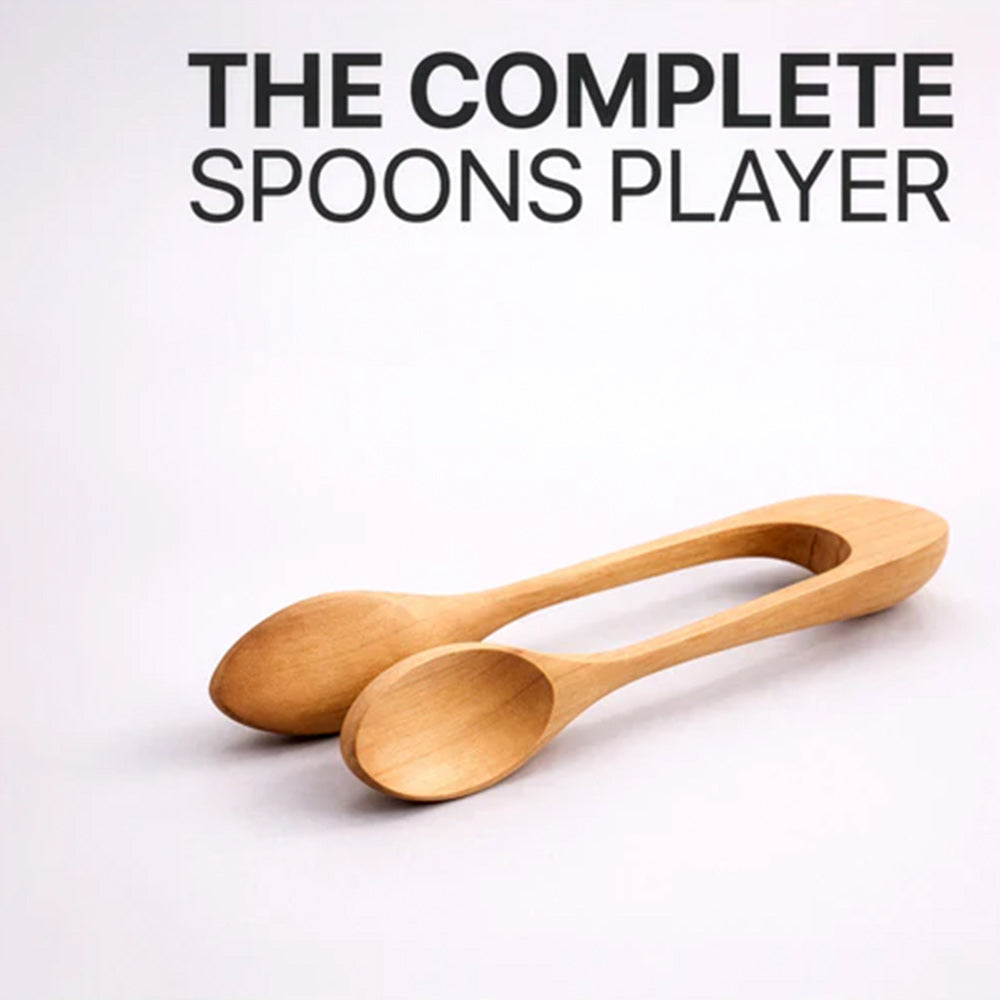
You’ve learned the fundamentals but the Complete Musical Spoons Player gives you a structured path to take your playing further. Learn grip and sound control alongside rolls, pops, gallops and swing rhythms with step-by-step exercises designed to improve your timing, control and confidence. Instead of simply learning individual patterns, you’ll build the skills to play musical spoons with greater rhythm.