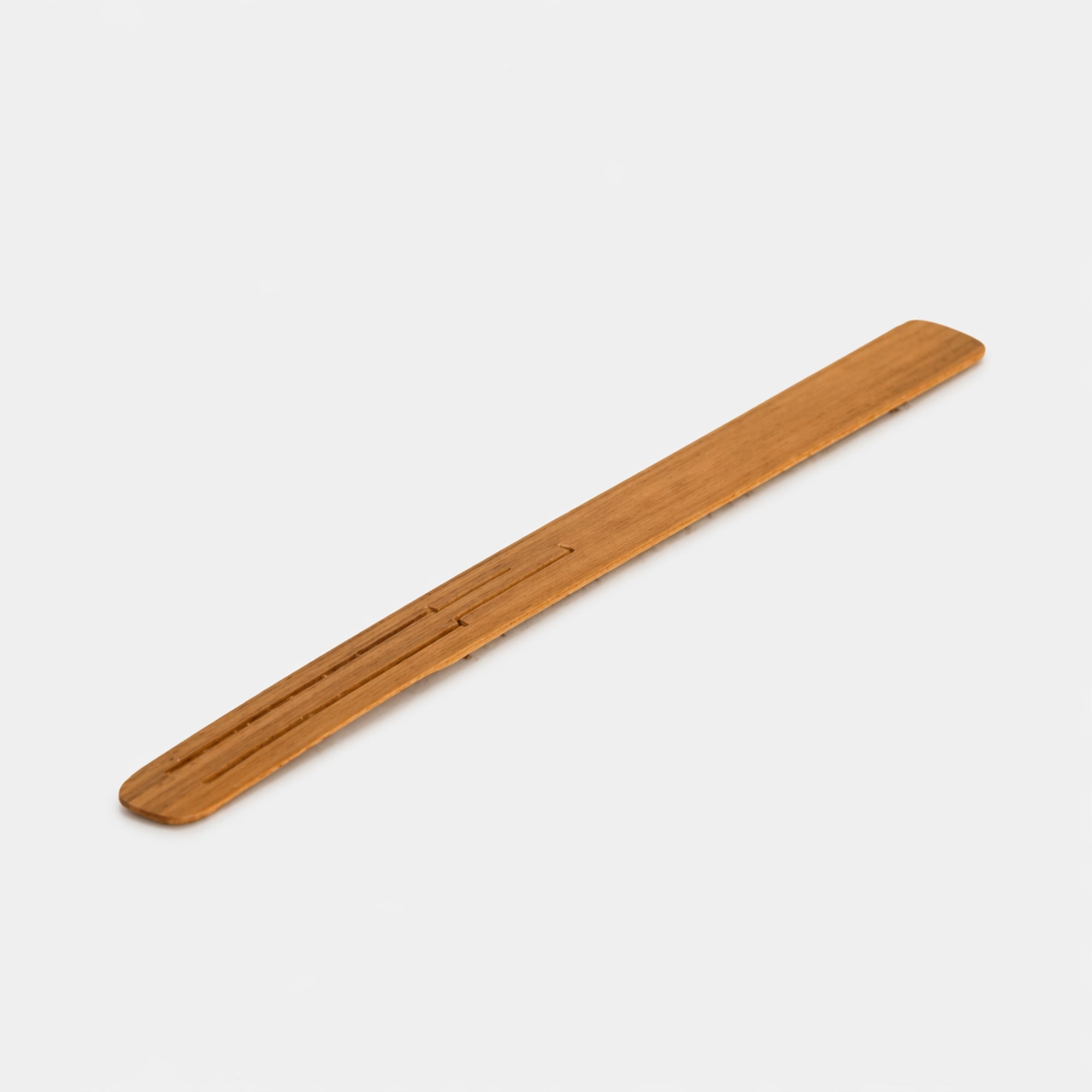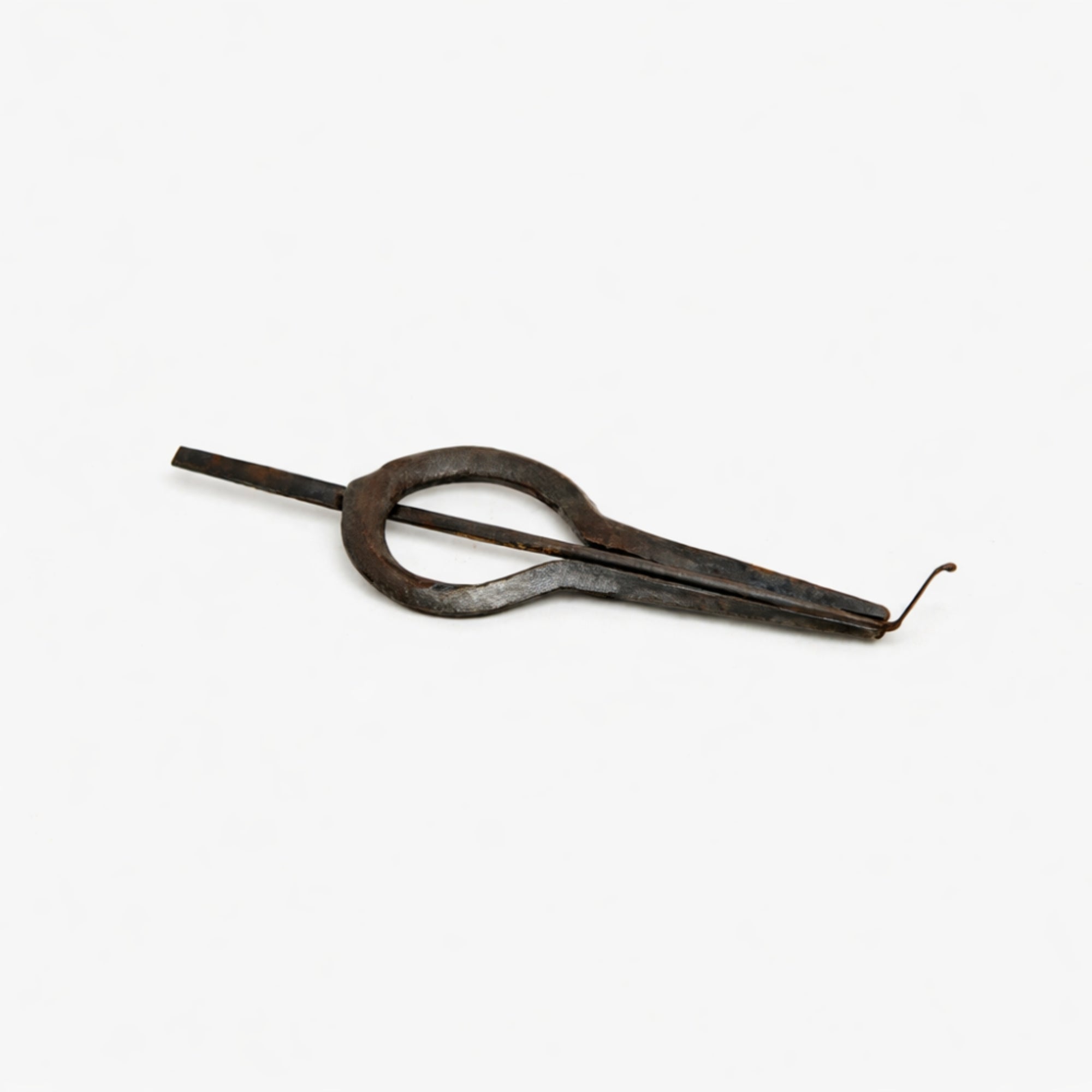

Is the jaw harp, also known as the mouth harp or Jew's harp, a good instrument for meditation? Absolutely, yes. This ancient folk instrument is one of the most powerful and effective tools for rhythmic focus and sound therapy available. Unlike other instruments that project sound outward, the jaw harp uses the player’s own skull and mouth cavity as a natural resonator, meaning the vibrations are felt deeply and immediately by the player. This intimate connection between the instrument and your body makes it an exceptional tool for grounding, focus, and achieving meditative states.
Why the Jaw Harp Works Well for Focus
The Jaw Harp is exceptionally good for meditation because it naturally forces the mind into singular, focused attention, which is the definition of mindful practice. This works in two key ways: Rhythmic Focus and Vibrational Feedback. Playing the jaw harp requires a consistent, steady plucking of the reed while simultaneously using the mouth and breath to shape the tone.
This constant repetitive action demands the player's full attention, instantly silencing the internal mental chatter. This process of rhythmic concentration is a form of active meditation that clears mental space and builds disciplined focus. Furthermore, the sound of the jaw harp is created by micro-vibrations that travel directly through the jawbone into the skull. This direct physical feedback is highly effective for grounding and contributes to brainwave entrainment, helping the mind slow down and enter the relaxed Alpha or deep Theta states often associated with profound meditation.
Basic Technique for Meditative Tone
To maximize the meditative benefits, you must master the fundamental technique, which is essential to producing the signature sound. To play, lightly hold the instrument's frame against your teeth without biting down. Pluck the metal reed (the tongue) with your finger, which sets the reed vibrating.
The magic happens because your mouth is the amplifier and resonator. By changing the size and shape of your mouth cavity (like saying vowels—A, E, I, O, U) and changing your breathing, you can shift the pitch and create warbling tones. Learning the basic pluck and understanding how your own breath and mouth shape the sound are the first steps toward using the jaw harp as a truly personal and effective meditation tool.
Using a Jaw Harp for Meditation

The jaw harp works particularly well for active meditation because playing combines a repetitive rhythm with controlled breathing and close attention to sound. If you already own one, start with a slow, steady pulse and focus on the vibration and changing resonance as you adjust your mouth and breathing. If you're new to the instrument and want to learn how to play the jaw harp, our guide covers the basic technique before you move into longer meditative sessions or alternatively if you're still choosing an instrument, our jaw harp buying guide compares bamboo, cast iron, brass, Dan Moi, Kou Xiang and other designs to help you find the right one.