The vibraslap is a simple yet expressive percussion instrument best known for its rattling, metallic sound often used as an accent in music. In this beginner’s guide, you’ll learn what the vibraslap is, how it works, and how to play it correctly to get the best sound without damaging the instrument.
What Is a Vibraslap?
The vibraslap is a handheld percussion instrument designed to add a sharp, vibrating texture to music. Rather than keeping a steady rhythm, it is typically used to highlight specific moments, transitions, or accents within a piece. Its sound is instantly recognisable and is often heard in Latin music, orchestral works, film scores, and modern productions.
The Main Parts of a Vibraslap
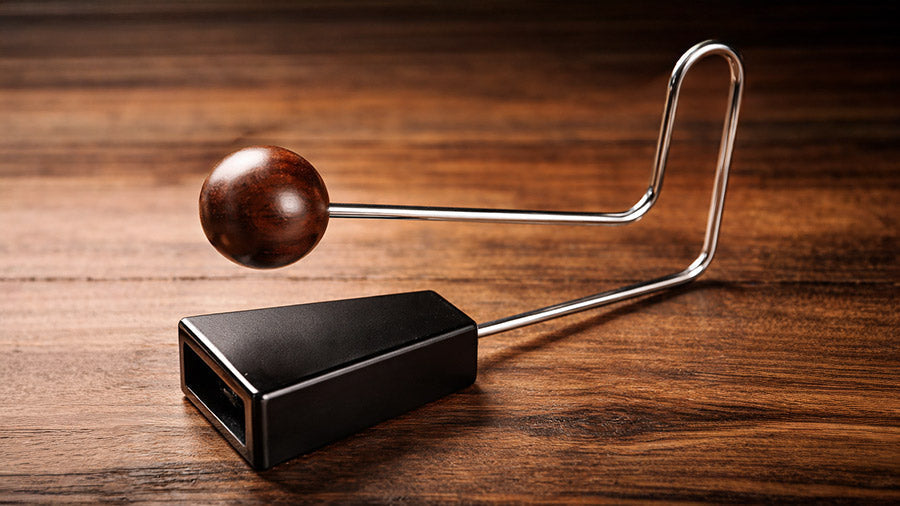
Understanding the parts of a vibraslap helps you play it correctly and avoid damaging the instrument. A vibraslap is made up of four main components: the wooden ball knocker, the metal frame, the curved handle, and the chattering teeth. The wooden ball knocker is the only striking surface and is what triggers the vibration when hit. The metal frame connects the instrument together and supports the internal mechanism while helping carry the vibration. The curved handle is designed for a comfortable grip, allowing the ball to move freely when played. Inside the frame are the chattering teeth—small metal pieces that produce the vibraslap’s distinctive rattling sound when the ball is struck. This section contains the mechanism and should never be hit directly, as doing so can damage the instrument.
How to Hold the Vibraslap
Hold the vibraslap by the curved handle, keeping a relaxed grip. The wooden ball should hang freely so it can move naturally. Your hand should feel comfortable and balanced, with enough control to strike the ball cleanly.
How to Play the Vibraslap
To play the vibraslap, use the palm of your free hand to strike the wooden ball knocker with a relaxed, controlled motion. You can either bring your hand down onto the ball and let gravity do the work, or lift the ball up into your palm—both approaches produce the same sound and can be used based on comfort and playing style. The key is to strike the wooden ball only. Hitting the metal frame or the chattering teeth can damage the internal mechanism and negatively affect the sound.
Using the Vibraslap Musically
The vibraslap is best used as an accent rather than a continuous rhythmic instrument like a shaker or drum. It works most effectively when played sparingly to add character, texture, and emphasis at key moments in a song or production. Striking the ball softly creates a subtle, controlled effect, while a firmer strike produces a louder, more dramatic sound. Experimenting with dynamics will help you understand how the vibraslap fits into different musical contexts and how to use it expressively.
Exploring Movement and Sound Variation
You can also shape the sound of the vibraslap by experimenting with movement as you play. Gently moving or rotating the instrument while striking the ball changes how the chattering teeth vibrate, creating subtle variations in tone and resonance. Continuing to move the vibraslap as it vibrates can further influence the sound. These small adjustments allow you to personalise the effect and add greater expression to your playing.
Final Tips for Beginners
Keep your wrist and hand relaxed and allow the vibraslap to respond naturally rather than forcing the sound. The instrument is designed to vibrate easily, so a controlled, fluid motion will always produce a better result than excessive force. With a little practice, you’ll quickly become comfortable using the vibraslap as an accent and discover how effective it can be for adding texture and interest to your playing.
Learn to Play the Vibraslap

The Complete Vibraslap Player explores how to get the most from the vibraslap's distinctive rattling sound, covering playing techniques, rhythmic applications, sound control and practical exercises.