The jaw harp is a small instrument, but learning to produce a clear sound can take a little practice. The key is correct positioning: once the reed can vibrate freely, your mouth becomes a resonating chamber that allows you to shape and change its tone. This guide will take you through holding the jaw harp, positioning it correctly, producing your first sound and experimenting with different mouth shapes.
How to Hold a Jaw Harp

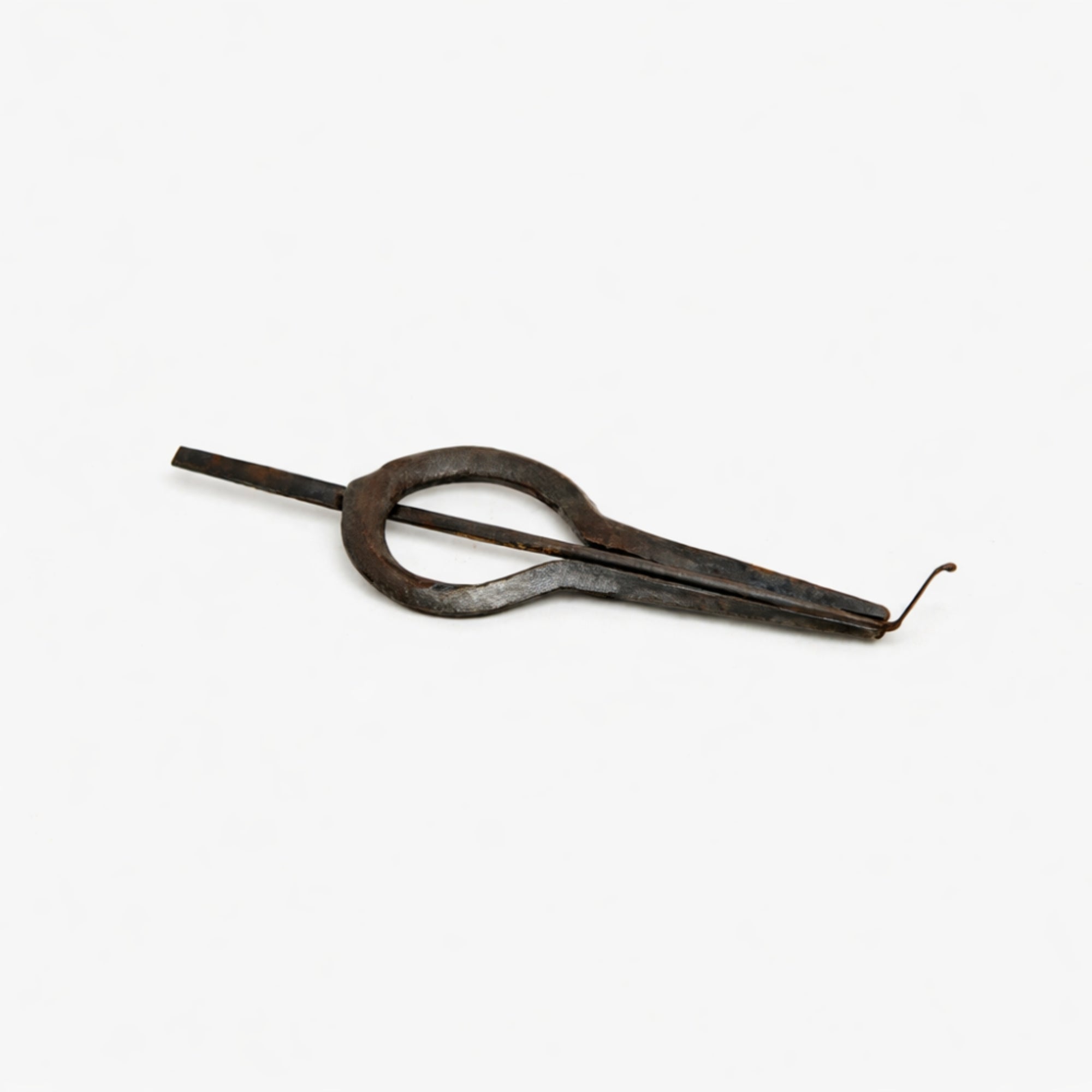
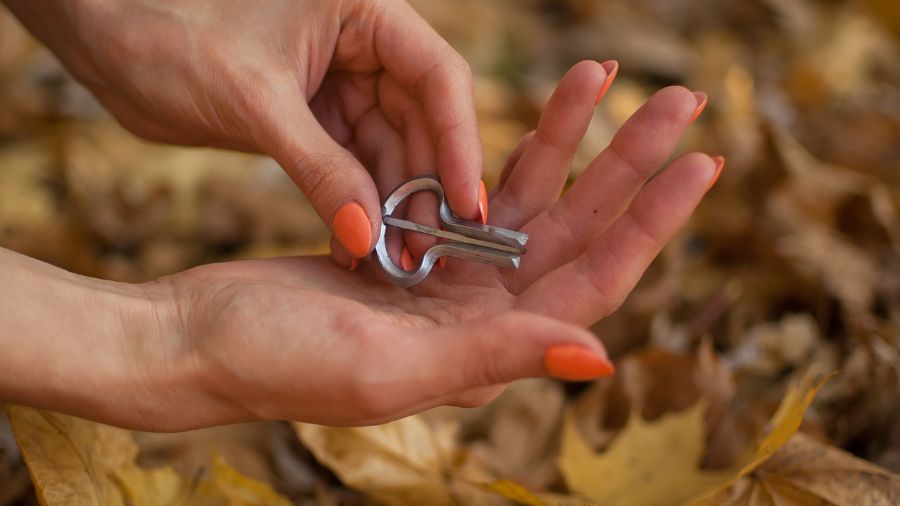
Hold the outer frame firmly enough to keep the jaw harp stable without squeezing it unnecessarily. Your fingers should only contact the frame and should never obstruct the flexible reed, as it needs to move freely to produce a clear sound.
How to Position a Jaw Harp

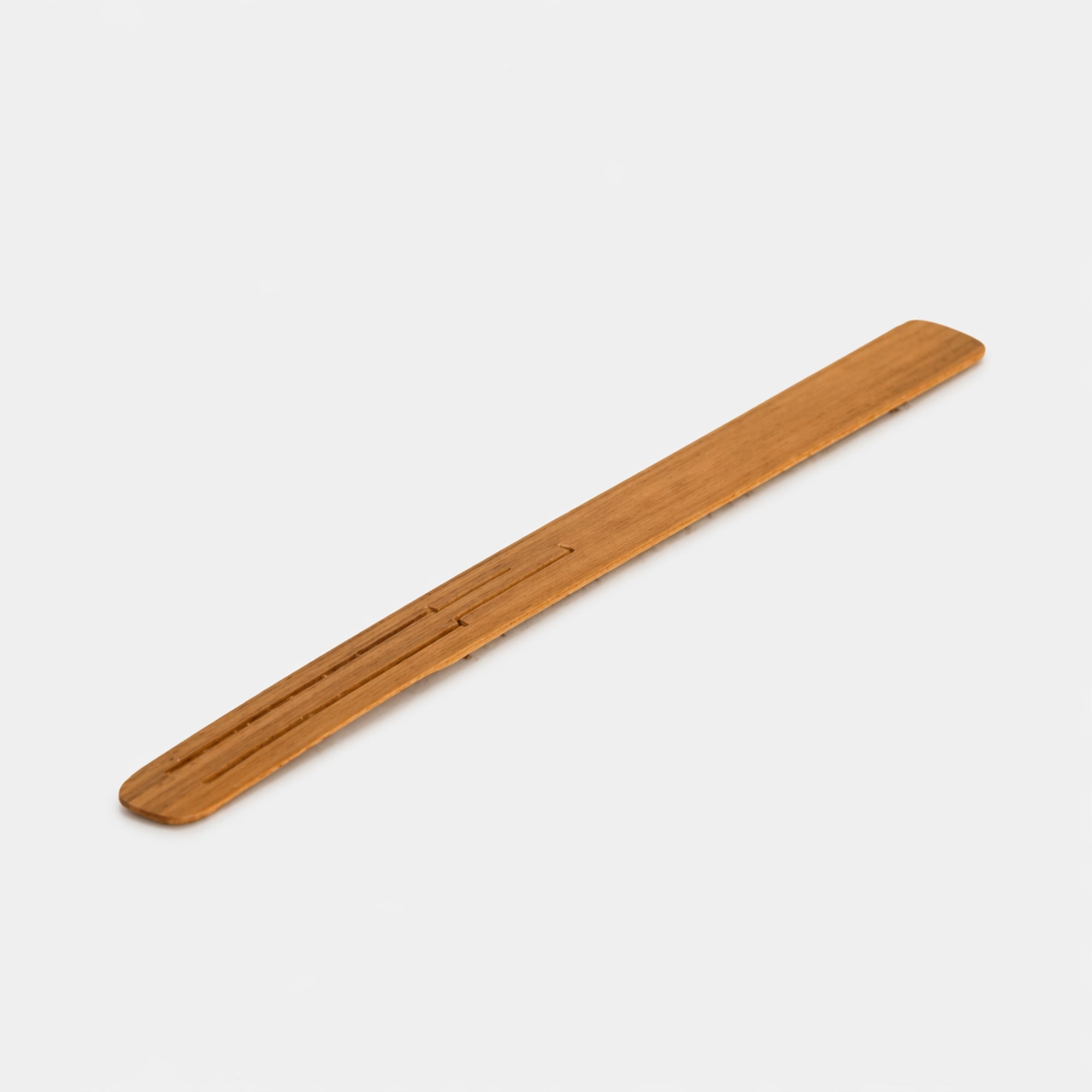
For a traditional metal jaw harp, gently place the frame against your front teeth without biting down. Keep your teeth slightly apart so the reed has enough space to travel backwards and forwards without hitting them. The frame should remain stable while the reed moves freely through the centre. Some jaw harps use a different technique. Bamboo jaw harps and instruments such as the Dan Moi are commonly played against the lips rather than the teeth, so check the playing method for your particular instrument before starting.
Make Your First Sound
Before placing the jaw harp against your mouth, gently pluck the reed and watch how it moves through the frame. This helps you understand how much clearance it needs. Position the harp correctly, keep the frame still and gently pluck the reed. Aim for one clean vibration without the reed hitting your teeth or the sound becoming muted. If you hear a clack, stop and reposition the instrument rather than continuing to play.
Once you can consistently produce a clean sound, try four slow, evenly spaced strikes:
1 – 2 – 3 – 4
Don't worry about playing quickly. A consistent sound is the foundation for everything that follows.
Shape the Sound With Your Mouth
Once the jaw harp is vibrating clearly, your mouth becomes part of the instrument. The harp produces its fundamental sound while the shape of your mouth, tongue and throat changes which resonances and overtones become more prominent. Start by repeatedly plucking the harp while silently forming the vowel sounds: A – E – I – O – U
Listen carefully as you move between them. Even though the jaw harp itself has not changed, each mouth shape emphasises the sound differently. Experiment with moving your tongue forward and backward, opening and narrowing your throat and gently changing your breathing. These small movements can produce surprisingly different tonal colours and are an important part of developing control over the instrument.
How to Play the Jaw Harp
The basic principle of jaw harp playing is simple: keep the instrument stable, pluck the reed consistently and use your mouth as a resonating chamber to shape the sound. Once you can do these three things comfortably, experiment with different rhythms, vowel shapes, tongue positions and breathing patterns. Rather than trying to play conventional melodies immediately, focus on controlling the instrument's rhythm and overtones. This is where much of the jaw harp's musical character comes from.
Take Your Jaw Harp Playing Further

If you can now hold the jaw harp correctly, produce a clean sound and hear the difference between A, E, I, O and U, you've learned the foundations. The Complete Jaw Harp Player takes you further with practical exercises covering sound shaping, tongue and throat control, breathing, rhythms, troubleshooting, practice, care, recording and performance. It's the next step if you want to develop your technique and explore more of what the jaw harp can do.