

Steel tongue drum and mallets resting on a wooden bench, evoking sacred stillness, sound meditation, and harmony with nature.

Tongue drums produce soft attacks, long sustain, and clear pitched tones. A clean recording comes from subtle EQ that preserves resonance while removing unwanted noise. The goal is balance and clarity, not reshaping the instrument. Below is a simple EQ approach that works for steel tongue drums, tank drums, and melodic percussion used in meditation, sound therapy, and music production.

EQ the Lows (Remove Mud and Handling Noise)

Tongue drums don’t rely on deep bass, but recordings often capture unwanted rumble from tables, mic stands, or the room, so start by cleaning the low end. Apply a high-pass filter around 60–100 Hz, and if the sound feels thick or muddy, use a small cut around 150–250 Hz; avoid boosting lows, as warmth comes from natural sustain rather than bass. Proper low-end control keeps individual notes clear and well separated.

EQ the Mids (Enhance Pitch Clarity)

The midrange carries the drum’s fundamental notes and melodic clarity, so keep it mostly flat to preserve a natural, calming tone. If the sound feels boxy, apply a gentle cut around 300–500 Hz, and if notes lack definition, add a light boost around 1–2 kHz so they speak clearly—small, careful adjustments maintain musicality without disrupting the instrument’s soothing character.

EQ the Highs (Smooth the Overtones)

High frequencies give tongue drums their harmonic shimmer, but overemphasis can make them sound sharp, so aim for smooth air rather than brightness. Add a subtle boost around 4–6 kHz only if presence is lacking, and if overtones feel harsh, apply a soft cut around 7–10 kHz, avoiding aggressive high-end boosts that exaggerate metallic noise. Record slightly off-centre to reduce harsh transients, prioritise subtractive EQ before minimal enhancement, and keep processing light so the instrument can breathe. When EQ’d with restraint, a tongue drum should sound clear, balanced, and soothing, with defined notes and long, natural decay.

Ready to go beyond EQ?

Become a Producer book cover featuring a MIDI keyboard and a laptop displaying a music project

Once your tongue drum recording sounds balanced, try building a track around it. Leave space for its sustain, add a supporting rhythm or bassline, and experiment with how the parts enter and leave.

Become a Producer includes practical exercises on working with real instruments, building musical layers and developing an idea into a complete arrangement.
Download the Become a Producer book

Featured products

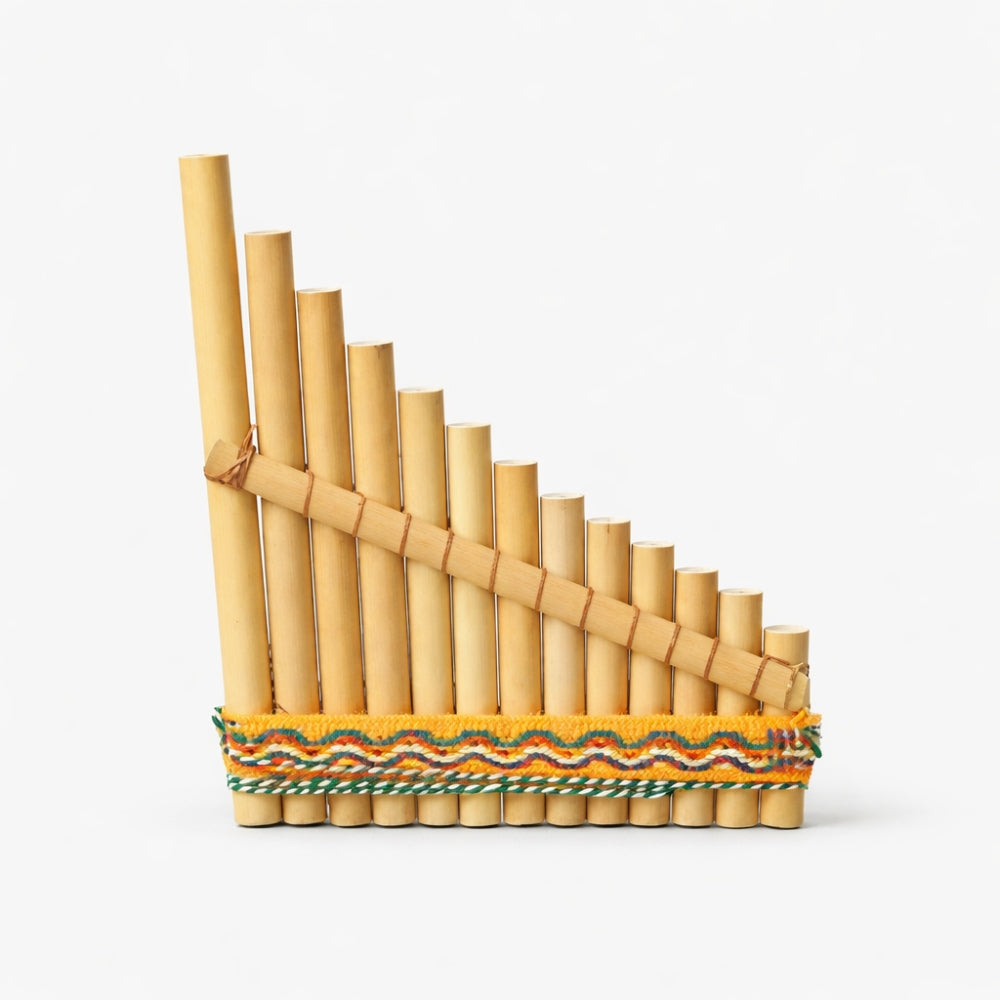
Handcrafted Antares Bamboo panpipes from Peru with decorative band on a white background
Antares Panpipes – 13 Notes
Sale priceRs. 2,500.00
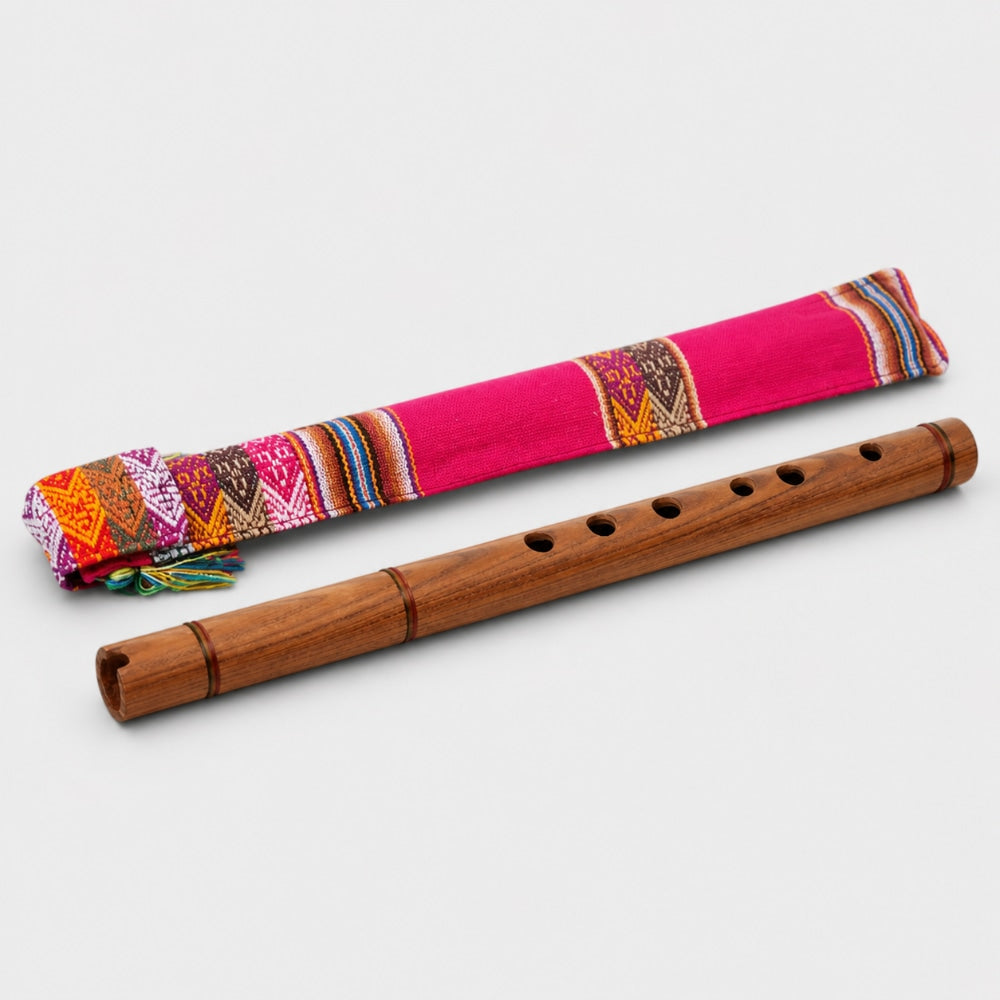
quena andean flute with colourful case
Quena Andean Flute
Sale priceRs. 7,000.00
Wooden coconut thumb piano kalimba with carved gecko design and 7 metal note tines on a white studio background
Kuta Light Kalimba – 7 Note
Sale priceRs. 4,000.00