Percussion instruments are some of the oldest, most universal tools for making music. Found in every culture around the world, they range from simple hand-played objects to complex instrument setups used in orchestras, bands, film scores, and classrooms. What makes percussion especially exciting is its accessibility—many percussion sounds can be created with everyday objects, your body, or simple instruments. Below are some fun and fascinating facts that reveal just how broad, creative, and powerful the world of percussion really is.
1. Percussion Is Almost Anything You Can Strike
At its core, percussion is defined by how sound is produced: by striking, shaking, or scraping an object. This can be done with hands, sticks, mallets, brushes, or beaters. Because of this, percussion isn’t limited to traditional instruments—it includes anything that can make a sound when hit or moved. A standard drum kit is a great example of this variety in action. It typically includes a bass drum played with a foot pedal, a snare drum, mounted toms, a floor tom, and several cymbals such as the hi-hat, crash cymbals, and ride cymbal. Together, these instruments allow one player to create rhythm, texture, and groove all at once, making the drum kit one of the most versatile percussion setups in modern music.
2. Percussion Instruments Produce Many Different Sounds
Percussion instruments are made from a wide range of materials, and each material creates a distinct sound. Wooden instruments like claves and wood blocks produce sharp, focused tones, while instruments such as the guiro—often made from wood or gourds—create raspy, textured sounds when scraped. Metal percussion instruments add brightness and sustain. A triangle, for example, rings clearly because it’s open on one side, and striking different parts of it produces subtle variations in tone. Tambourines introduce yet another layer of sound, combining jingles with either open frames or drumheads, allowing them to be shaken, struck, or rolled for rhythmic and shimmering effects.
3. Percussion Instruments Come in All Sizes
Percussion instruments range from tiny to enormous. At the smallest end are finger cymbals—miniature cymbals played between the fingers that create bright, delicate sounds. Medium-sized instruments like conga drums are played with the hands and are central to many Afro-Cuban and Latin music traditions. At the other extreme are massive drums such as taiko, a traditional Japanese drum known for its deep, powerful resonance. Taiko drums are often played with large sticks and are felt as much as they are heard, with vibrations traveling through the body. These dramatic size differences show how percussion can be both intimate and overwhelming, depending on the instrument.
4. Percussion Is Often Used for Special Effects
Beyond rhythm, percussion plays a huge role in creating atmosphere and sound effects, especially in film, television, and video games. Instruments like the vibraslap produce a distinctive rattling sound commonly used for comedic or dramatic emphasis. The flexatone creates eerie, bending pitches often heard in cartoons and suspenseful scenes. More experimental instruments, such as the waterphone, are designed specifically for unsettling or otherworldly sounds. Filled partially with water and played by striking or bowing metal rods, the waterphone is a staple in horror and science fiction soundtracks. Even unusual tools like superball mallets rubbed across drumheads can create animal-like or alien noises, proving that percussion is a playground for sonic imagination.
5. Shakers Are One of the Largest Percussion Families
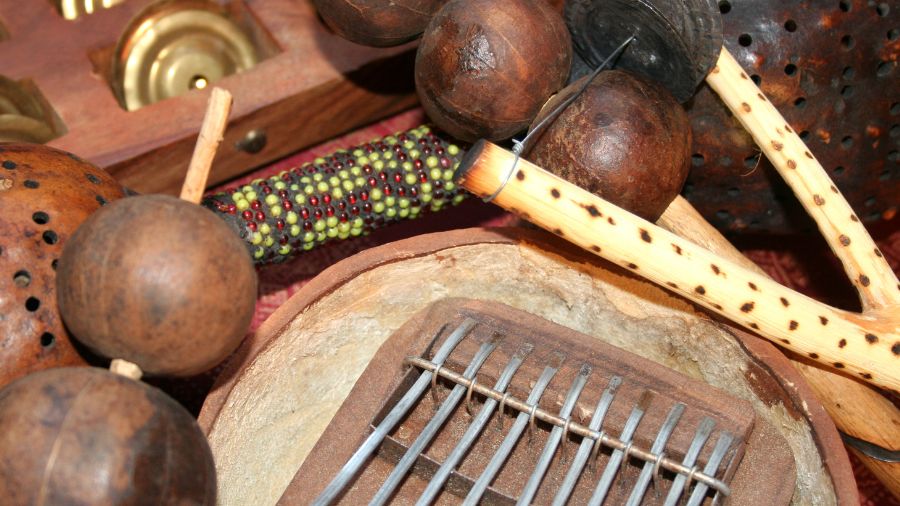
Shakers form a vast category within percussion and are used all over the world. Instruments like the shekere—a gourd wrapped in beads—combine shaking and striking techniques for layered rhythms. Maracas, commonly used throughout Latin America, are simple shaken instruments that can produce complex rhythmic patterns. Other shakers include the cabasa, which uses metal beads wrapped around a cylinder, and egg shakers, small handheld instruments often used in classrooms and beginner music-making. Each shaker has its own texture, volume, and rhythmic feel, making them incredibly versatile despite their simplicity.
6. You Can Make Percussion Instruments at Home
One of the most exciting things about percussion is how easy it is to create your own instruments. A simple shaker can be made using an empty toilet paper roll or plastic bottle filled with rice, beans, or other dry materials and sealed with tape. Different containers and fillings create different sounds, allowing for experimentation and creativity with everyday objects. Even your body is a percussion instrument. Hand clapping, tapping, and body percussion are among the most ancient forms of rhythm-making and require no equipment at all.
Where to buy Percussion Instruments Online?

Percussion is everywhere—from professional studios and concert halls to classrooms, kitchens, and playgrounds. It can be loud or quiet, simple or complex, playful or deeply emotional. Whether you’re hitting a drum, shaking a homemade instrument, or clapping your hands, you’re participating in one of humanity’s oldest musical traditions. Percussion isn’t just about keeping time—it’s about sound, movement, creativity, and connection.