What Is a Songbook?
A songbook is a curated collection of music arranged specifically for a particular instrument and skill level. Instead of isolated drills, you learn by playing complete pieces. A beginner-friendly songbook should assume limited experience, use clear notation or tablature, and guide you through music that gradually increases in difficulty. The goal isn’t perfection—it’s steady improvement through repetition and enjoyment.
What Makes a Songbook Great for Beginners?
A great beginner songbook is instrument-specific, level-appropriate, and purposeful. It should match your exact instrument (kalimba, ukulele, harmonica, guitar, piano, etc.), avoid overwhelming theory, and include songs that reinforce technique naturally. Variety also matters—mixing nursery rhymes, folk tunes, classical pieces, and familiar melodies keeps practice engaging and helps different skills develop evenly. Most importantly, the best songbook is personal. The right one aligns with your instrument, your ability, and your musical goals.
Songbooks Are Written for Different Instruments
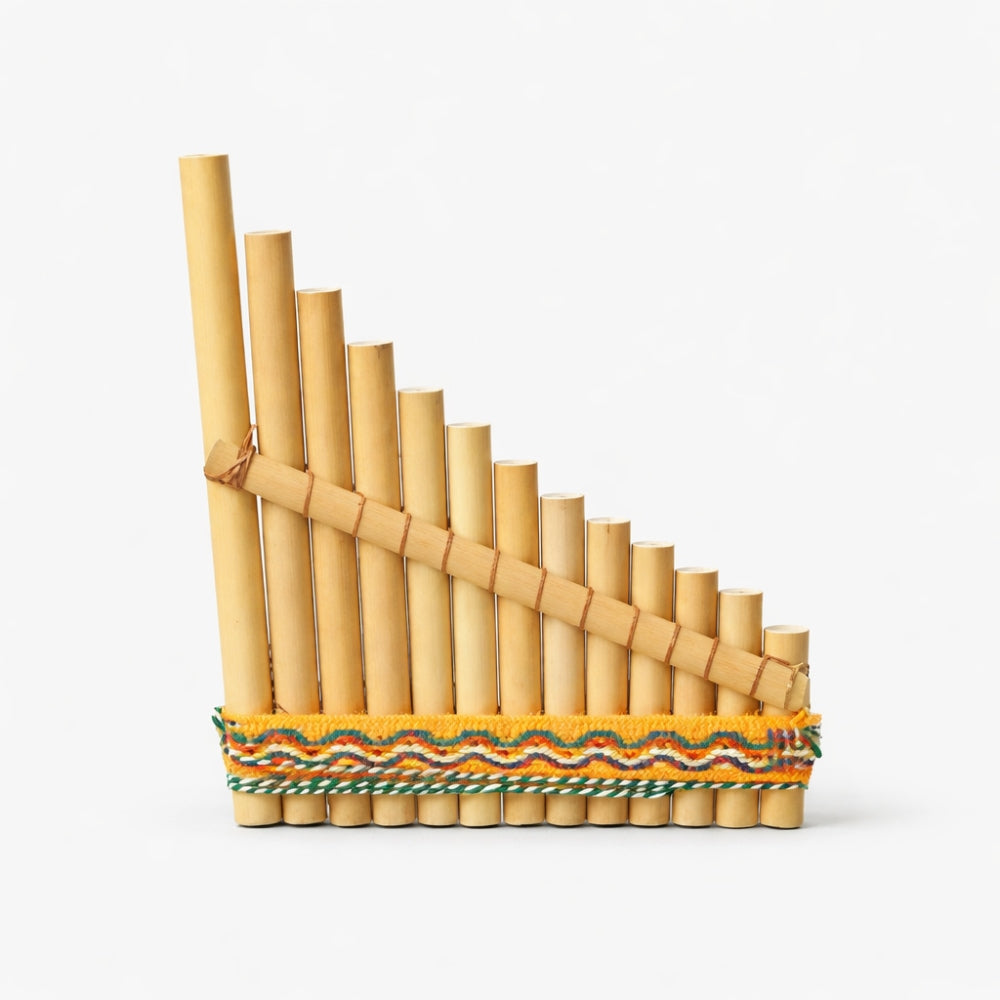
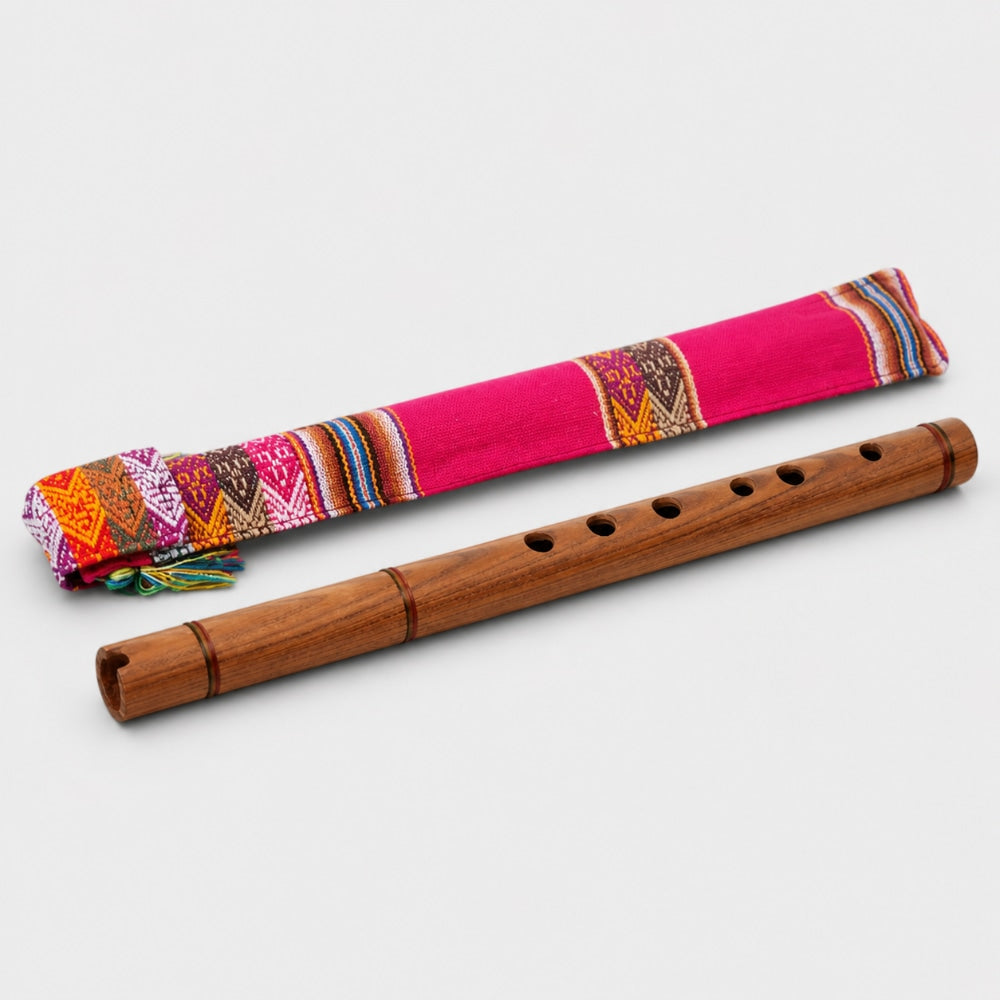
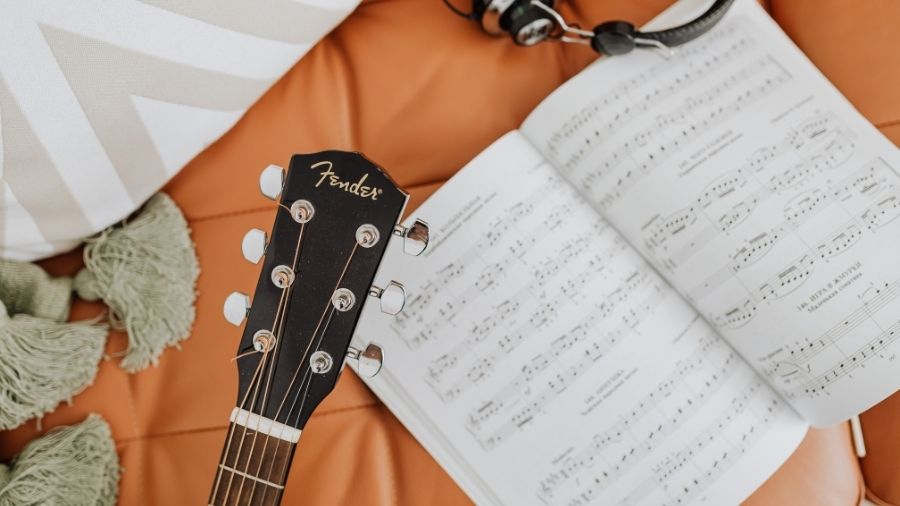
Not all songbooks are interchangeable. Kalimba songbooks are written around note layouts and tunings. Ukulele books focus on chord shapes and fingerstyle patterns. Harmonica books prioritise breath control and phrasing. Piano and guitar songbooks rely on entirely different notation systems. Using a book designed specifically for your instrument avoids confusion and accelerates learning.
Examples of Beginner-Friendly Songbooks
Choosing the Right Songbook for You

The best songbook isn’t the one with the most pages, it’s the one you’ll actually use. Choose a book that matches your instrument exactly, fits your current ability, and offers enough variety to keep you playing regularly. If a songbook makes you want to sit down and play every day, it’s doing its job. Learning music doesn’t have to feel complicated. With the right songbook, progress becomes natural—one song at a time.