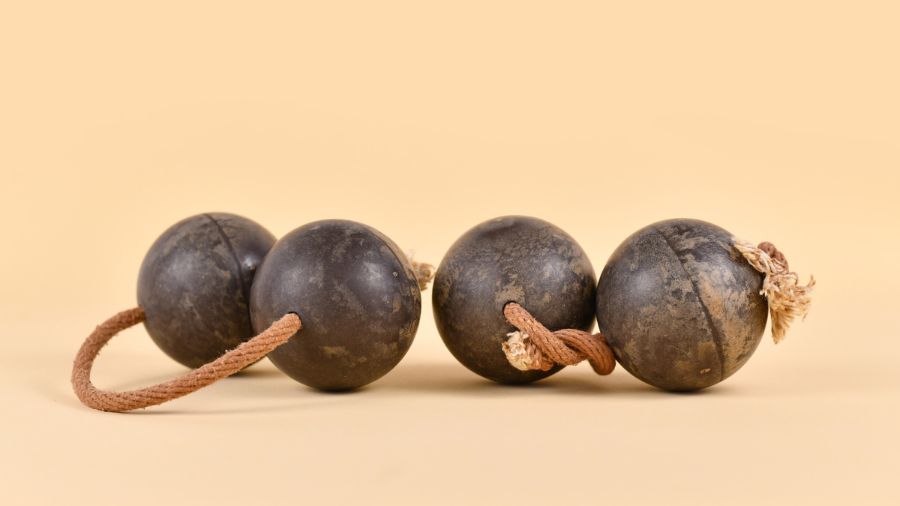
One of the most common questions new asalato players ask is how long the rope should be. It’s an understandable concern, because rope length directly affects control, comfort, and how easily the instrument moves in your hand. The good news is that there isn’t a single “correct” measurement you must hit. Rope length is important, but it’s not something you need to panic about—especially at the beginning.
Why rope length matters
If the rope is too long or too short, it can limit how freely the asalato moves and make basic patterns feel awkward. That said, it won’t completely stop you from learning. Rope length influences feel and efficiency more than correctness, and it often changes as your technique develops. Many experienced players adjust their rope length repeatedly over time as their playing evolves.
Trial and error is normal
There’s no hard rule because hands, grip styles, and techniques differ from player to player. The most reliable approach is simple trial and error. Play for a while, notice what feels comfortable, and adjust accordingly. Pay attention to your hands and body rather than trying to match someone else’s setup exactly. What works for one player may feel completely wrong for another.
Start with adjustable rope if you’re a beginner
If you’re just starting out, using an asalato with adjustable rope length makes the process far easier. Adjustable knots allow you to shorten or lengthen the rope as needed without committing to a fixed setup. This flexibility is especially helpful early on, when you’re still discovering how you naturally hold and move the instrument.
A practical starting point
When holding the asalato in playing position, many players find it comfortable if there’s a small gap between the rope and the hand—often enough space to fit one or two fingers through. Some players are comfortable with slightly more slack, even up to three fingers, while others prefer it much tighter. This isn’t a rule, just a useful starting reference to help you avoid extremes.
Short rope vs longer rope feel
A shorter rope tends to feel tighter, quicker, and more controlled. Players who hold the asalato closer to the first knuckle often prefer this setup, as less rope length is needed for clean contact. A longer rope introduces more slack and freedom of movement, which some players enjoy for fluid, expressive motion. Neither is better; they simply suit different techniques and preferences.
Technique changes rope preference
As your technique improves, your ideal rope length may change. Different asalatos also behave differently depending on their weight, shape, and material. Heavier models often feel better with a slightly shorter rope, while lighter ones may tolerate more slack. It’s normal to revisit your rope length every few weeks or months as you refine your playing.
Hand size and instrument weight matter
Hand size plays a role as well. Players with smaller hands may naturally prefer shorter rope lengths, while larger hands can accommodate more slack comfortably. Instrument weight also matters—heavier asalatos amplify the effect of rope length, making small adjustments more noticeable in feel and control.
What if your rope isn’t adjustable?
If your asalato doesn’t have adjustable rope and feels too long, you still have options. A temporary solution is to fold a small section of the rope and secure it with electrical tape to shorten the effective length. This isn’t a long-term fix—the tape will wear out—but it can help you get through the early learning stage until you upgrade to an adjustable model. If the rope is too short, however, there’s very little you can do without modifying or replacing it.
Cutting and finishing rope safely
If you do adjust rope length permanently, cut carefully and seal the end with heat to prevent fraying. This helps keep the rope durable and comfortable during play. Adjustable setups on both ends are ideal, but even one adjustable side can be enough if excess rope is trimmed cleanly.
A simple rule of thumb
As a general guideline, starting with enough slack for one or two fingers is a sensible place to begin, with three fingers being the upper limit for most players. Use that as a reference, not a rule, then adjust based on feel, control, and comfort. There is no perfect rope length, only the length that works best for you right now. Be open to experimentation, expect your preferences to change, and don’t stress about getting it “right” immediately. Like any instrument setup, asalato rope length evolves alongside your technique.
Learn Kashaka Properly From the Start

If you want to go beyond basic adjustments and become confident with the instrument, the Complete Kashaka Player provides a clear step-by-step path from beginner movements to advanced rhythmic control. With technique explanations, diagrams, rhythm breakdowns, and structured exercises, it helps you build coordination, timing, and consistency far faster than relying on scattered tutorials. Whether you are completely new to the kashaka or refining your patterns, this guide gives you a structured way to develop real playing skill and unlock the instrument’s full rhythmic potential.